Lower back pain affects the lumbar spine region and can stem from muscle strains, disc problems, joint dysfunction, or nerve irritation. At Freehold Chiropractic in Freehold, we identify the specific cause of your lower back pain through comprehensive evaluation and treat it with targeted chiropractic adjustments, therapeutic exercises, and lifestyle modifications that address the root problem rather than just masking symptoms. Most patients experience significant relief within 2-4 weeks of starting treatment.
Why Lower Back Pain Is So Common
Your lower back bears the weight of your entire upper body. It absorbs stress from every movement you make.
The lumbar spine consists of five vertebrae stacked on top of your sacrum. These vertebrae are larger than those in your neck because they handle more load.
Between each vertebra sits a disc that cushions impact and allows movement. Muscles, ligaments, and fascia support the entire structure.
When any component of this system breaks down, pain develops. And because your lower back is under constant stress, problems here are extremely common.
Common Causes of Lower Back Pain
Muscle Strains
Lifting something heavy improperly, sudden twisting movements, or prolonged poor posture can strain lower back muscles. These strains cause immediate pain and muscle spasms.
Herniated or Bulging Discs
Discs can bulge or herniate from injury or degeneration, pressing on spinal nerves. This creates not just back pain but often leg pain as well. Learn more about herniated disc treatment.
Spinal Misalignments
When lumbar vertebrae shift out of proper position, they create abnormal joint mechanics. This causes inflammation, muscle tension, and nerve irritation.
Facet Joint Dysfunction
The small joints connecting your vertebrae can become stiff, inflamed, or arthritic. Facet joint problems cause localized back pain that worsens with extension or twisting.
Sacroiliac Joint Problems
The joints connecting your spine to your pelvis can become misaligned or inflamed. SI joint dysfunction causes pain in your lower back and buttocks that many people mistake for sciatica.
Sciatica
When the sciatic nerve is compressed in your lower back, it causes pain radiating down your leg. Back pain from sciatica feels different than mechanical back pain.
Degenerative Disc Disease
As discs age, they lose water content and height. This narrows the spaces where nerves exit your spine and places more stress on joints.
Spinal Stenosis
Narrowing of the spinal canal compresses nerves and causes pain that worsens with standing or walking.
Poor Posture and Ergonomics
Sitting for hours daily with poor posture creates constant stress on your lumbar spine. Over time, this causes pain even when you’re not sitting.
Weak Core Muscles
Your core muscles support your spine. When they’re weak, your lower back works overtime to stabilize your body, leading to pain and injury.
How Your Feet Affect Your Lower Back
Many people don’t realize their lower back pain starts with their feet. When your feet don’t function properly, compensatory patterns develop throughout your body.
Flat feet, overpronation, or improper weight distribution alter how forces travel up your legs. Your pelvis tilts to compensate. Your lumbar spine adjusts to maintain balance.
These compensations create abnormal stress patterns that eventually cause lower back pain. Learn more about how foot problems cause back pain.
This is why we always evaluate your feet, ankles, and lower body mechanics when treating lower back pain. Sometimes the solution starts with your foundation.
How We Diagnose Lower Back Pain
Lower back pain has many potential causes. Proper diagnosis determines the most effective treatment approach.
We start with a detailed discussion of your symptoms. When did pain start? What makes it better or worse? Does it radiate anywhere? Have you had previous back injuries?
We perform orthopedic and neurological tests that identify specific problem areas. Range of motion testing shows which movements are restricted. Palpation reveals areas of muscle tension, inflammation, or misalignment.
We check your posture, leg length, and pelvic alignment. We evaluate your gait and foot mechanics. We assess your core strength and flexibility.
In some cases, we recommend imaging like X-rays or MRI to visualize structural problems. However, many lower back issues can be diagnosed and treated successfully through clinical examination alone.
Chiropractic Treatment for Lower Back Pain
Our approach addresses your specific cause of pain rather than using a one-size-fits-all protocol.
Spinal Adjustments
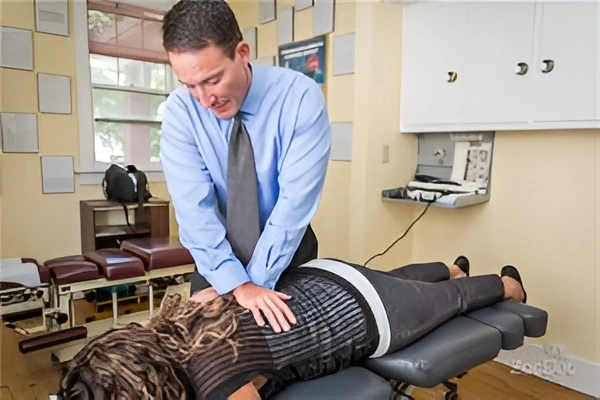
We restore proper alignment to misaligned lumbar vertebrae, reducing nerve irritation and improving joint mechanics. When your spine moves correctly, pain decreases and healing accelerates.
Flexion-Distraction for Disc Issues
For herniated or bulging discs, we use gentle flexion-distraction techniques that decompress your spine and reduce disc pressure. This non-surgical approach helps many disc problems heal naturally.
Sacroiliac Joint Correction
We adjust your SI joints to restore proper pelvic alignment. SI joint dysfunction is often overlooked but causes significant lower back pain.
Soft Tissue Therapy
We release tight muscles, trigger points, and fascial restrictions contributing to your pain. Muscle tension often perpetuates back problems even after structural issues are corrected.
Core Strengthening Exercises
We provide specific exercises that strengthen your deep core muscles, stabilizing your spine and preventing future injuries. Strong core muscles are essential for long-term back health.
Postural Correction
We identify postural problems contributing to your pain and teach you how to maintain proper alignment during daily activities.
Ergonomic Modifications
For people whose back pain stems from work activities, we provide specific ergonomic recommendations that reduce spinal stress.
How Long Does Lower Back Pain Take to Heal
Recovery timelines vary based on what’s causing your pain and how long you’ve had it.
Acute Strains (New Injuries)
Simple muscle strains typically improve within 1-2 weeks with proper treatment. You’ll notice significant relief within days as inflammation reduces.
Chronic Mechanical Issues
Long-standing lower back pain from poor posture, weak muscles, or spinal dysfunction usually takes 4-8 weeks to resolve. Your body needs time to rebuild proper movement patterns.
Disc Problems
Herniated or bulging discs take longer to heal, typically 6-12 weeks. Severe cases may require several months of consistent care.
Degenerative Conditions
Arthritis, spinal stenosis, and degenerative disc disease can’t be cured, but symptoms can be managed effectively with ongoing chiropractic care.
The earlier you address lower back pain, the faster it resolves. Chronic pain that’s been present for months or years takes longer to correct than acute injuries.
When to Seek Immediate Medical Attention
Most lower back pain is mechanical and responds well to chiropractic care. However, certain symptoms require immediate emergency evaluation.
Seek emergency care if you experience loss of bowel or bladder control, progressive leg weakness, severe pain after trauma, or pain accompanied by fever and unexplained weight loss.
These symptoms could indicate serious conditions requiring medical intervention. Once serious problems are ruled out, chiropractic care supports your recovery.
Lower Back Pain Prevention
Once your back pain resolves, preventing recurrence requires ongoing attention to your spine.
Maintain good posture during sitting and standing. Use proper lifting technique, bending at your knees rather than your back. Keep your core muscles strong through regular exercise.
Maintain a healthy weight to reduce spinal load. Stay active rather than prolonged sitting. Take breaks during repetitive activities. Wear supportive footwear and address foot problems promptly.
Regular chiropractic maintenance helps keep your spine aligned and catches minor issues before they become major problems.
Why Pain Medication Isn’t Enough
Many people rely on over-the-counter or prescription pain medication for lower back pain. While medication can provide temporary relief, it doesn’t fix the underlying problem.
Pain medication masks symptoms without correcting misalignments, strengthening weak muscles, or improving mechanics. When medication wears off, pain returns.
Long-term medication use also carries side effects and risks. NSAIDs can cause stomach problems, kidney issues, and cardiovascular complications.
Medication has its place for managing severe acute pain, but it should be combined with treatment that addresses why your back hurts in the first place.
Sitting and Lower Back Pain
Prolonged sitting is one of the biggest contributors to lower back pain in modern society. When you sit, pressure on your lumbar discs increases by 40% compared to standing.
Poor sitting posture compounds the problem. Slouching rounds your lower back, placing even more stress on discs and ligaments.
If your job requires sitting, proper ergonomics are crucial. Your chair should support your lumbar curve. Your feet should rest flat on the floor. Your monitor should be at eye level.
Taking standing breaks every 30-45 minutes reduces cumulative spinal stress. Even just standing up and walking around for a minute makes a difference.
Exercise and Lower Back Pain
Many people with lower back pain avoid exercise, fearing it will worsen their condition. This is usually a mistake.
Appropriate exercise actually helps lower back pain by strengthening supporting muscles, improving flexibility, and maintaining healthy disc nutrition.
The key is choosing the right exercises. Walking, swimming, and stationary cycling are generally safe. Core strengthening exercises support spinal stability. Yoga and stretching improve flexibility.
Avoid high-impact activities, heavy lifting, and exercises that hyperextend your back until your pain resolves. We provide specific exercise recommendations based on your condition.
Real Results from Freehold Patients
In my 27 years treating patients in Freehold, I’ve helped thousands of people overcome lower back pain. People who couldn’t sit through a work meeting become pain-free. Those who struggled getting out of bed each morning regain normal function.
The key is identifying and correcting your specific cause of pain rather than applying generic treatments. When we address the root problem, your body heals naturally and pain resolves.
Frequently Asked Questions
How soon will I feel better after starting treatment?
Many patients notice improvement after their first few visits. Acute injuries often respond quickly within days, while chronic pain takes longer to resolve. Your timeline depends on what’s causing your pain and how long you’ve had it.
How often do I need to come in for treatment?
Initially, most patients benefit from 2-3 visits per week for the first few weeks. As symptoms improve, visit frequency decreases. Your specific treatment plan depends on your condition severity and how you respond to care.
Will I need ongoing treatment after my pain resolves?
Some patients choose periodic maintenance care to prevent problems from returning, especially if they have demanding jobs or physical activities. Others only come in when minor issues arise. We’ll discuss what makes sense for your situation.
Can chiropractic help if I’ve had back pain for years?
Yes. While chronic pain takes longer to resolve than acute injuries, most long-standing lower back problems improve significantly with proper chiropractic care. We address the accumulated dysfunction that developed over time.
Get Relief from Lower Back Pain
If lower back pain is limiting your activities or affecting your quality of life, let’s find out what’s causing it and fix the problem. Call our Freehold office at (732) 780-0044 or schedule your consultation online. We’ll perform a comprehensive evaluation and create a personalized treatment plan to get you back to pain-free living.