
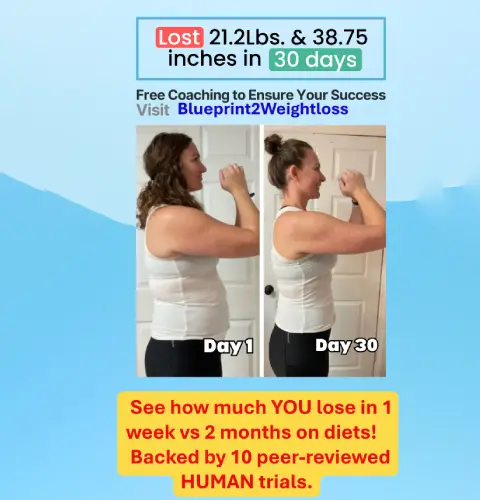
Traditional diets fail because they rely on calorie restriction, which slows your metabolism and triggers your body’s starvation response, making long-term weight loss nearly impossible. At Freehold Chiropractic in Freehold, we use a research-backed approach developed by top weight loss scientists that floods your body with nutrients, uses protein pacing, and employs intermittent nutritional fasting to help you lose weight six times faster than semaglutides while building muscle instead of destroying it. This approach is supported by 10 peer-reviewed human trials and addresses why your body holds onto fat when you restrict calories.
The Shocking Truth About Diet Failure Rates
Studies show that 95% of people who lose weight through traditional dieting regain it all within five years. Most gain back even more weight than they originally lost.
This isn’t because people lack willpower or discipline. The failure is built into the approach itself.
Every diet promising quick results through calorie restriction sets you up for eventual failure. Your body fights against starvation, and it always wins in the long run.
The cycle is predictable. You cut calories dramatically. You lose weight initially. Your metabolism slows down. Weight loss stalls. You get frustrated and quit. The weight comes rushing back, often with extra pounds.
What Happens When You Cut Calories
Understanding why calorie restriction fails requires understanding how your body responds to reduced food intake.
Your Metabolism Slows Down
When you drastically cut calories, your body doesn’t think you’re on a diet. It thinks you’re starving.
Your metabolism is your body’s survival mechanism. It slows down to match your reduced calorie intake, conserving energy to keep you alive during what it perceives as a famine.
This metabolic adaptation happens within days of starting a restrictive diet. Your thyroid function decreases. Your body temperature drops slightly. You feel tired and sluggish because your body is conserving energy.
The more you restrict calories, the more your metabolism slows. Eventually, you’re eating very little but not losing weight because your metabolism has adapted to the lower intake.
Your Body Holds Onto Fat
Fat is your body’s emergency fuel supply. When your body thinks food is scarce, it desperately holds onto every fat cell.
Hormones shift to promote fat storage. Leptin, which signals fullness, decreases. Ghrelin, which signals hunger, increases. Your body cranks up hunger signals while simultaneously making you feel less satisfied after eating.
You’re fighting against millions of years of evolutionary programming designed to keep you alive during food scarcity. Your willpower can’t overcome these powerful biological drives indefinitely.
Muscle Mass Decreases
When you drastically cut calories, your body needs energy from somewhere. It breaks down muscle tissue to use for fuel.
Losing muscle is devastating for long-term weight management. Muscle burns calories even at rest. Less muscle means a slower metabolism.
This creates a vicious cycle. You lose muscle, your metabolism slows further, weight loss becomes even harder, and eventual weight regain is almost guaranteed.
Why Counting Calories Doesn’t Work
The “calories in, calories out” model sounds logical. Eat less than you burn, and you’ll lose weight. But human metabolism is far more complex.
Not all calories are created equal. 100 calories of broccoli affects your body completely differently than 100 calories of candy. The hormonal responses, nutrient density, and metabolic effects are entirely different.
Your body doesn’t count calories. It responds to nutrients, hormones, and signals about food availability. When you restrict calories without providing adequate nutrients, your body goes into conservation mode.
Calorie counting also ignores the quality of food. You could hit your calorie target eating processed junk food, but your body would be starving for actual nutrients. This nutrient deficiency drives continued hunger and cravings.
The Semaglutide Problem
Desperate for weight loss solutions, millions of people are turning to drugs like Ozempic and Wegovy. These semaglutide medications work by suppressing appetite and slowing digestion.
For diabetics and the morbidly obese, these drugs can be appropriate medical interventions. But for the average person trying to lose 20-50 pounds, they create serious problems.
Dangerous Side Effects
The side effect list for semaglutides keeps growing. Digestive problems are common, with many users experiencing nausea, vomiting, and diarrhea.
Gastroparesis, where the stomach stops emptying properly, affects numerous users. This can become a permanent condition requiring ongoing medical management.
More serious risks include increased cancer risk, vision problems including blindness, and a recent Australian study showing increased scurvy risk. These aren’t minor inconveniences. They’re potentially life-altering complications.
The Muscle Loss Crisis
The most alarming problem with semaglutides is that they cause 40% loss of lean muscle mass. You’re not just losing fat. You’re losing the muscle that keeps you functional, strong, and independent.
Muscle mass is crucial for healthy aging. It protects your bones, maintains your metabolism, and keeps you mobile and independent. Losing 40% of your muscle accelerates aging and sets you up for serious health problems.
When you stop taking these drugs, the weight comes rushing back. But the muscle doesn’t. You end up weighing the same but with more fat and less muscle than before you started.
Not Addressing the Root Cause
Semaglutides suppress appetite but don’t fix why your metabolism isn’t working properly. They don’t address nutrient deficiencies, gut health problems, or the factors that caused weight gain initially.
You’re dependent on the medication indefinitely. Stop taking it, and the weight returns because the underlying problems were never solved.
What Actually Works
If restriction fails and medications create problems, what’s the solution? The answer lies in giving your body what it actually needs.
Flooding Your Body with Nutrients
Instead of starving your body, the solution is flooding it with the nutrients it requires. When your body gets proper nutrition, it stops sending desperate hunger signals.
Your body craves food when it’s deficient in nutrients. No amount of willpower overcomes genuine nutrient needs. But when you provide abundant vitamins, minerals, protein, and healthy fats, hunger naturally decreases.
This approach was developed by two top researchers in weight loss, Peter Greenlaw and Dr. Paul Arciero. Their program is backed by 10 peer-reviewed human trials.
Protein Pacing
Dr. Paul Arciero developed protein pacing, which strategically times protein intake throughout the day to optimize muscle synthesis and fat burning.
Instead of eating most of your protein at dinner, you distribute it evenly across meals. This keeps your metabolism elevated, preserves muscle mass during weight loss, and maintains satiety throughout the day.
Protein pacing prevents the muscle loss that destroys metabolic rate during traditional dieting. You maintain and even build muscle while losing fat.
Intermittent Nutritional Fasting
Peter Greenlaw created intermittent nutritional fasting, which is very different from traditional intermittent fasting.
During eating windows, you flood your body with nutrients. During fasting windows, your body triggers metabolic benefits like improved insulin sensitivity and increased fat burning.
This isn’t about starvation. It’s about strategic timing that works with your body’s natural rhythms rather than against them.
Research-Backed Results
This combined approach is the only weight loss program other than pharmaceutical semaglutides backed by extensive peer-reviewed research. Ten human trials demonstrate its effectiveness.
People lose weight six times faster than with semaglutides. But unlike medications, they’re building muscle instead of destroying it. They’re improving health markers instead of risking serious side effects.
You can see the complete research and hear Dr. Paul Arciero explain the science at blueprint2weightloss.com.
What Happens When You Nourish Instead of Starve
The results from this research-backed approach go far beyond the number on your scale.
Cholesterol levels improve significantly. Triglycerides decrease. A1C (blood sugar control) improves, reducing diabetes risk.
Body fat percentage decreases while lean muscle mass increases. This is true body recomposition, not just weight loss.
Energy levels increase rather than the fatigue common with restrictive diets. Mental clarity improves. Mood stabilizes without the emotional rollercoaster of traditional dieting.
Most importantly, these changes are sustainable. You’re not white-knuckling through hunger and deprivation. You’re eating satisfying, nutritious food that your body actually wants.
The Multi-Pronged Approach
At Freehold Chiropractic, weight loss is part of a comprehensive approach to improving your healthspan.
Proper nutrition through protein pacing and nutritional fasting provides the foundation. Chiropractic care optimizes your nervous system function, helping all your organs work more efficiently.
Gut health support ensures proper nutrient absorption and reduces inflammation. Exercise guidance helps you build strength and maintain results.
This multi-pronged approach addresses all the factors affecting your weight and health, not just calories in versus calories out.
Why Joint Health Improves
Weight loss through this approach dramatically improves how your joints feel. Every pound you lose removes four pounds of pressure from your knees and hips.
Lose 20 pounds, and that’s 80 pounds less stress on your joints with every step. Chronic knee and hip pain often disappears as weight decreases and inflammation reduces.
But unlike weight loss through calorie restriction or semaglutides, you’re also building muscle that supports and protects your joints. Stronger muscles mean more stable joints and less pain.
Frequently Asked Questions
How is this different from other diets I’ve tried?
Traditional diets restrict calories and trigger your body’s starvation response. This approach floods your body with nutrients, maintaining your metabolism and building muscle. It’s backed by 10 peer-reviewed studies showing it works six times faster than semaglutides without side effects.
Will I feel hungry all the time?
No. When your body gets the nutrients it needs, hunger naturally decreases. You’re not fighting constant cravings because your body isn’t deficient. Most people report feeling satisfied and energized, not deprived.
How quickly will I see results?
Most people notice changes within the first two weeks. Research shows this approach produces results six times faster than semaglutides. Your specific timeline depends on your starting point and consistency, but results come much faster than traditional dieting.
Do I have to give up foods I love?
This isn’t about restriction or elimination. It’s about proper timing and ensuring your body gets adequate protein and nutrients. You learn to eat in a way that satisfies your body’s needs, which naturally reduces cravings for unhealthy foods.
Taking the First Step
If you’re tired of diets that fail, medications with dangerous side effects, and approaches that leave you weaker instead of stronger, there’s a better way.
The research-backed program we offer at our Freehold practice has helped countless people lose weight sustainably while building muscle and improving overall health.
Ready to stop fighting your body and start working with it? Call our Freehold office at (732) 780-0044 or schedule your consultation online. We’ll create a personalized plan based on the research-proven principles of protein pacing and intermittent nutritional fasting.
For detailed information about the research supporting this approach, visit blueprint2weightloss.com where Dr. Paul Arciero explains the science. Fill out the form at the bottom of that page to receive personalized coaching guidance.