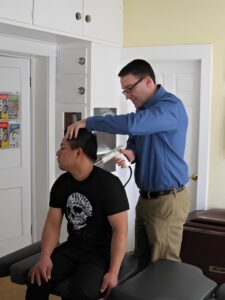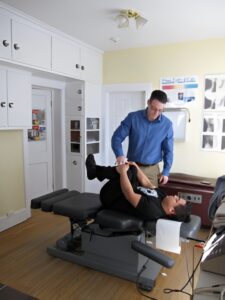

Arthritis causes joint pain, stiffness, and reduced mobility from inflammation and cartilage breakdown, but chiropractic care can significantly improve function and reduce discomfort. At Freehold Chiropractic in Freehold, we help arthritis patients maintain mobility and reduce pain through gentle chiropractic adjustments, targeted exercises, and lifestyle modifications that work with your body’s healing abilities rather than just masking symptoms with medication. While we can’t reverse arthritis, most patients experience meaningful improvement in pain levels and daily function.
Understanding Arthritis and Its Impact
Arthritis isn’t a single disease. It’s a group of conditions that cause joint inflammation, pain, and stiffness.
The two most common types are osteoarthritis and rheumatoid arthritis. Osteoarthritis develops from wear and tear on joints over time. Rheumatoid arthritis is an autoimmune condition where your body attacks your own joints.
Both types cause pain, swelling, reduced range of motion, and difficulty with daily activities. The pain typically worsens with activity and improves with rest, though morning stiffness is common.
Many people assume arthritis pain is something they just have to live with. While chiropractic care can’t cure arthritis or regenerate damaged cartilage, it can significantly improve how you feel and function.
How Arthritis Affects Different Joints
Spinal Arthritis
Arthritis in your spine causes back pain, stiffness, and reduced flexibility. Bone spurs can develop and compress nerves, causing radiating pain.
Hip Arthritis
Hip arthritis creates pain in your groin, buttock, or thigh. Walking, climbing stairs, and getting up from chairs become difficult. Hip pain often limits daily activities significantly.
Knee Arthritis
Knee arthritis causes pain with walking, standing, or climbing stairs. The joint may feel unstable or like it might give out. Swelling and stiffness are common.
Hand and Wrist Arthritis
Arthritis in your hands makes gripping objects difficult. Opening jars, buttoning shirts, and writing become challenging. Finger joints may become enlarged and deformed in severe cases.
Shoulder Arthritis
Shoulder arthritis limits overhead reaching and makes sleeping on that side painful. Rotator cuff problems often accompany shoulder arthritis.
Ankle and Foot Arthritis
Arthritis in your feet and ankles causes pain with walking and standing. Shoe fitting becomes difficult as joints enlarge.
How Chiropractic Helps Arthritis Pain
While chiropractic care can’t reverse cartilage damage, it addresses factors that worsen arthritis pain and slow progression.
Improving Joint Mechanics
Arthritis changes how joints move. Compensatory patterns develop as you try to avoid pain. These altered mechanics place abnormal stress on already damaged joints.
Gentle adjustments restore better joint movement patterns. When joints move more normally, pain decreases and function improves even though the arthritis itself remains.
Reducing Inflammation
Proper joint alignment reduces mechanical irritation that drives inflammation. Less inflammation means less pain and better function.
Chiropractic care helps regulate your body’s inflammatory response naturally without the side effects of long-term medication use.
Maintaining Mobility
Arthritis causes joints to stiffen. Reduced movement accelerates deterioration and increases pain.
Regular adjustments maintain joint mobility and prevent severe stiffening. The old saying “motion is lotion” applies perfectly to arthritis. Keeping joints moving reduces pain and slows progression.
Addressing Compensatory Problems
When one arthritic joint hurts, you compensate by overusing other joints. This creates new problems in areas that were previously healthy.
We identify and correct these compensatory patterns before they cause additional arthritis or injuries.
Supporting Surrounding Structures
Muscles, ligaments, and tendons around arthritic joints work overtime to compensate for joint instability. This creates secondary pain distinct from the arthritis itself.
Soft tissue therapy and specific exercises strengthen supporting structures, reducing overall pain and improving stability.

Osteoarthritis vs Rheumatoid Arthritis Treatment
While both types benefit from chiropractic care, our approach differs slightly based on which type you have.
Osteoarthritis
Osteoarthritis responds well to regular chiropractic adjustments, joint mobilization, and exercise. We can be more aggressive with treatment since it’s a mechanical wear-and-tear condition.
Focus is on maintaining mobility, reducing mechanical stress, and preventing progression.
Rheumatoid Arthritis
Rheumatoid arthritis requires gentler techniques during flare-ups when inflammation is severe. We avoid aggressive adjustments during active disease episodes.
We coordinate care with your rheumatologist to ensure our treatment complements your medical management. During remission periods, treatment is more similar to osteoarthritis care.
Exercise and Movement for Arthritis
Exercise is crucial for managing arthritis, but the right type and intensity matter.
Low-Impact Activities
Swimming, water aerobics, cycling, and walking provide cardiovascular benefits without excessive joint stress. These activities maintain fitness while protecting arthritic joints.
Range-of-Motion Exercises
Gentle stretching and movement exercises prevent joints from stiffening. We teach specific exercises for your affected joints that maintain mobility without causing pain.
Strengthening Exercises
Strong muscles support and protect arthritic joints. We provide progressive strengthening exercises appropriate for your condition.
Balance Training
Arthritis affects proprioception and increases fall risk. Balance exercises improve stability and prevent falls that could worsen joint damage.
The key is finding the right balance between staying active and not overdoing it. We guide you on appropriate activity levels based on your specific arthritis.
Nutrition and Arthritis Management
What you eat influences inflammation levels and arthritis symptoms.
Anti-Inflammatory Foods
Fatty fish rich in omega-3s, colorful fruits and vegetables, nuts, olive oil, and whole grains help reduce inflammation naturally.
Foods to Limit
Processed foods, refined sugars, excessive red meat, and foods high in omega-6 fatty acids can worsen inflammation.
Weight Management
Excess weight places additional stress on weight-bearing joints. Every pound lost reduces knee joint load by four pounds. Weight management is one of the most effective arthritis treatments available.
Supplements
We may recommend specific supplements like glucosamine, chondroitin, omega-3 fatty acids, or turmeric that support joint health and reduce inflammation. These work best as part of a comprehensive approach.
Managing Arthritis Flare-Ups
Arthritis symptoms fluctuate. Some days are worse than others. Learning to manage flare-ups improves your quality of life.
During flare-ups, reduce activity temporarily but don’t stop moving completely. Gentle movement helps more than complete rest. Apply ice to reduce acute inflammation and swelling. Modify your treatment approach during severe flares, using gentler techniques.
Identify triggers that worsen your symptoms. Weather changes, stress, dietary factors, and overactivity all can trigger flares. Understanding your triggers helps you prevent future episodes.
Arthritis Medications and Chiropractic Care
Many arthritis patients take medications for pain and inflammation. Chiropractic care complements these medications and often allows reduced medication dependence.
We don’t tell you to stop taking medications prescribed by your doctor. Instead, our goal is to improve your function and reduce pain so you need less medication over time.
Many patients find they can reduce their pain medication dose or frequency as their chiropractic care progresses. Always coordinate medication changes with your prescribing physician.
When Joint Replacement Becomes Necessary
Chiropractic care helps many people delay or avoid joint replacement surgery. However, some severe cases eventually require surgical intervention.
Surgery might be necessary when conservative care no longer provides adequate relief, joint damage severely limits daily activities, or quality of life is significantly compromised despite optimal conservative treatment.
If surgery becomes necessary, we’ll refer you to a qualified orthopedic surgeon. Chiropractic care before and after surgery supports better outcomes and faster recovery.
Preventing Arthritis Progression
While you can’t stop arthritis completely, you can slow its progression significantly.
Maintain a healthy weight to reduce joint stress. Stay active with appropriate exercises. Avoid repetitive high-impact activities that accelerate joint wear. Maintain proper joint alignment through regular chiropractic care.
Address injuries promptly, as previous injuries increase arthritis risk. Manage inflammation through diet and lifestyle. Don’t ignore pain, as it signals damage that needs attention.
Arthritis typically progresses slowly. Consistent preventive care makes a huge difference in long-term outcomes.
Arthritis in Seniors vs Younger Adults
Arthritis affects people of all ages, though it’s more common in older adults.
Senior Arthritis Care
Seniors often have multiple arthritic joints and other health conditions. Our approach focuses on maintaining independence, preventing falls, and optimizing function for daily activities.
We use gentler techniques appropriate for aging bodies. Fall prevention becomes a priority as arthritis affects balance and mobility.
Younger Adult Arthritis
Younger people with arthritis often have more aggressive disease or post-traumatic arthritis from injuries. Treatment focuses on maintaining active lifestyles and preventing rapid progression.
We help younger patients stay active in work and recreation despite arthritis. Activity modification and joint protection strategies are crucial.
Real Results from Freehold Arthritis Patients
Over my 27 years in Freehold, I’ve helped countless arthritis patients improve their quality of life. People who struggled with stairs regain mobility. Seniors who feared losing independence maintain active lifestyles.
The key is realistic expectations. We can’t make arthritis disappear, but we can help you feel better and function better. Most patients are thrilled with the improvements they experience.
Frequently Asked Questions
Is chiropractic safe for arthritis?
Yes. We use gentle techniques specifically adapted for arthritic joints. We never force or manipulate inflamed joints aggressively. Our approach is safe and has helped thousands of arthritis patients improve their function and reduce pain.
How often should I get adjusted if I have arthritis?
Initially, weekly or bi-weekly visits produce the best results. Once symptoms improve, monthly maintenance visits help sustain improvements. Your specific frequency depends on arthritis severity and how your body responds to care.
Can chiropractic cure my arthritis?
No. Chiropractic can’t reverse cartilage damage or cure arthritis. However, it can significantly improve your pain levels, mobility, and function. Many patients experience dramatic improvements in quality of life even though the arthritis itself remains.
Will adjustments make my arthritis worse?
No. Proper chiropractic care helps arthritis by improving joint mechanics and reducing inflammation. We use appropriate techniques for arthritic joints that support healing rather than causing damage. Some mild soreness after adjustments is normal but shouldn’t worsen your overall condition.
Get Better Arthritis Management in Freehold
If arthritis is limiting your activities or causing chronic pain, let’s see how much we can improve your function and comfort. Call our Freehold office at (732) 780-0044 or schedule your consultation online. We’ll evaluate your specific arthritis condition and create a personalized treatment plan to help you feel and function better.