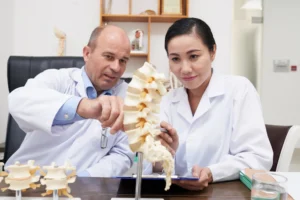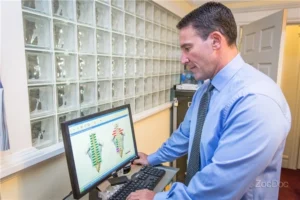
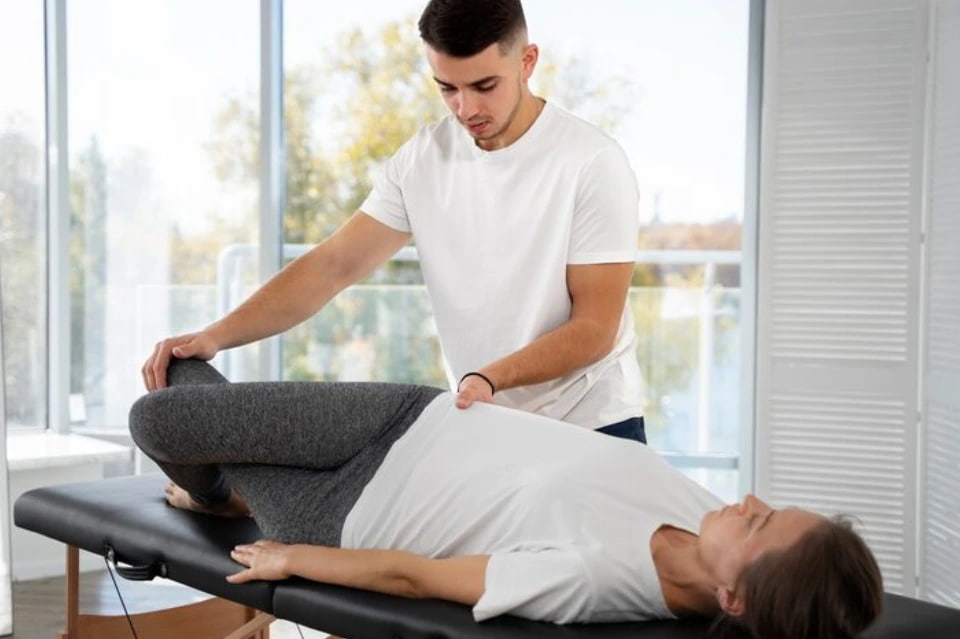
Sciatica isn’t actually a diagnosis—it’s a symptom of something irritating your sciatic nerve, usually in your lower back. At Freehold Chiropractic, I see patients every week who’ve been told they “have sciatica” but were never told why. Finding that underlying cause is the key to getting real, lasting relief.
What Sciatica Actually Is (And Isn’t)
The sciatic nerve is the longest and thickest nerve in your body. It runs from your lower back, through your buttock, down the back of your leg, and into your foot. When something compresses or irritates this nerve—usually at or near the spine—you get that signature shooting pain, numbness, or tingling that travels down your leg.
Here’s what most people don’t realize: “sciatica” just describes the symptom pattern. It doesn’t explain the cause. That’s like saying you have “a cough” without figuring out if it’s allergies, a cold, or something more serious. The symptom is obvious. The source is what matters.
Common Causes of Sciatic Nerve Pain
In my 27 years practicing in Freehold, I’ve found these are the most frequent culprits behind sciatica:
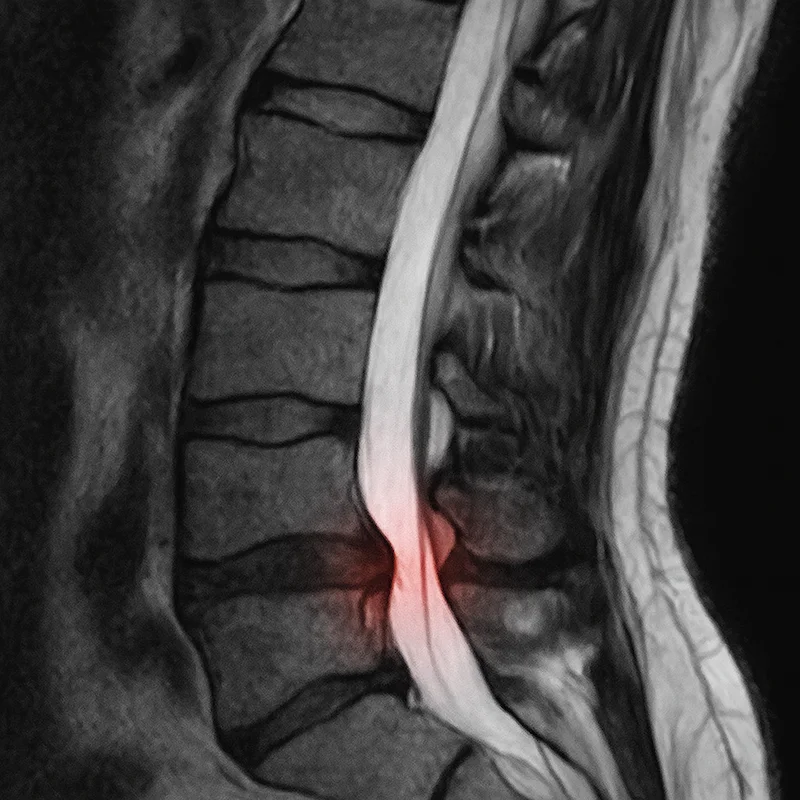
Herniated or bulging discs are the most common cause I see. The disc material pushes out and puts direct pressure on the nerve root. Sometimes patients don’t even remember a specific injury—it can develop gradually from years of poor posture or repetitive strain. If you’re dealing with disc issues, you might find my post on herniated disc treatment options helpful.
Spinal stenosis happens when the canal housing your spinal cord narrows, typically from age-related changes. This crowds the nerve roots and can trigger sciatic symptoms, especially when standing or walking.
Piriformis syndrome is an often-overlooked cause. The piriformis muscle sits deep in your buttock, and in some people, the sciatic nerve runs right through it. When that muscle gets tight or spasms, it can squeeze the nerve directly—no spinal involvement at all.
Sacroiliac joint dysfunction involves the joint connecting your spine to your pelvis. When this joint isn’t moving properly or becomes inflamed, it can refer pain down the sciatic nerve pathway.
Spondylolisthesis occurs when one vertebra slips forward over another, potentially pinching nerve roots in the process.
Symptoms That Point to Sciatica
Sciatic nerve irritation typically produces a recognizable pattern:
- Pain that radiates from your lower back or buttock down the back of your leg
- Burning, tingling, or “pins and needles” sensations
- Numbness or weakness in the affected leg or foot
- Pain that worsens when sitting for extended periods
- Difficulty standing up or walking
- Sharp pain when coughing or sneezing
The pain usually affects only one side. Some people describe it as an electric shock. Others feel a constant, deep ache. The specific sensation often depends on which nerve root is involved and how severely it’s being compressed.
Why Chiropractic Care Works for Sciatica
Here’s my philosophy, and it’s served my patients well over 185,000+ adjustments: treat the source, not just the symptom.
Pain medications can dial down the discomfort temporarily. Muscle relaxers might ease the spasm for a few hours. But neither addresses why your sciatic nerve is being irritated in the first place. When the medication wears off, the underlying problem remains.
Chiropractic care takes a different approach. Through specific spinal adjustments, I work to restore proper alignment and movement to the vertebrae that may be contributing to nerve compression. When the spine moves correctly, pressure on the nerve roots often decreases—and so does the pain.
But I don’t stop at the spine. My approach includes the full picture: evaluating your pelvis, hips, and even how you’re walking. Sometimes hip dysfunction contributes to sciatic symptoms. Other times, poor foot mechanics are creating a chain reaction up through your body. That’s why I offer custom orthotics—because your foundation matters.
What to Expect During Your Evaluation
When you come to Freehold Chiropractic with sciatic symptoms, I don’t rush through a 5-minute exam and send you on your way. I take time to understand your history, how the pain started, what makes it better or worse, and how it’s affecting your daily life.
The physical examination includes orthopedic and neurological tests to pinpoint exactly where the nerve irritation is occurring. I’ll assess your range of motion, muscle strength, reflexes, and sensation. This thorough evaluation tells me whether chiropractic care is right for your situation—or if you need imaging or a referral to another specialist.
Not every case of sciatica responds to the same treatment. That’s why a proper diagnosis matters more than a quick adjustment.
Treatment Beyond the Adjustment
While chiropractic adjustments form the foundation of care, I often incorporate additional approaches:
Therapeutic stretching targets tight muscles that may be contributing to nerve compression—especially the piriformis, hamstrings, and hip flexors.
Posture correction addresses the habits and positions that created the problem. If you sit at a desk all day with poor ergonomics, we need to fix that or the sciatica will keep returning.
Home exercises give you tools to support your recovery between visits. The stretches in my post on cervical nerve flossing demonstrate the concept—similar techniques exist for the sciatic nerve.
Lifestyle modifications might include changes to your sleeping position, workstation setup, or daily movement patterns.
How Long Does Sciatica Take to Heal?
This depends entirely on the underlying cause and how long you’ve been dealing with it. Some patients experience significant relief within a few visits. Others with more severe disc herniations or long-standing problems require a longer course of care.
What I can tell you is this: most patients notice improvement within the first few weeks when the correct cause has been identified and addressed. The body has a remarkable ability to heal itself when we remove the interference.
When Sciatica Requires More Than Chiropractic Care
I’m always honest with my patients. If your examination reveals signs of serious nerve damage—significant muscle weakness, loss of bladder or bowel control, or progressive neurological symptoms—I’ll refer you to the appropriate specialist immediately. These situations are rare, but they require urgent medical attention.
For the vast majority of sciatica cases, conservative chiropractic care offers an effective path to relief without the risks of surgery or long-term medication use.
FAQs About Sciatica Treatment
Can sciatica go away on its own? Sometimes mild cases resolve with rest and time, but the underlying problem often remains. Without addressing the cause, sciatica frequently returns—often worse than before.
Is it okay to exercise with sciatica? Gentle movement is usually beneficial, but the wrong exercises can aggravate your symptoms. I recommend getting evaluated first so you know which activities are safe for your specific situation.
How do I sleep with sciatic pain? Sleeping on your side with a pillow between your knees often helps by keeping your spine aligned. Avoid sleeping on your stomach, which can increase lower back strain.
Ready to Find the Source of Your Sciatica?
If you’re tired of living with leg pain, numbness, or tingling, let’s figure out what’s actually causing it. Schedule a consultation at Freehold Chiropractic or call (732) 780-0044. I’ve helped thousands of patients in Freehold and throughout Monmouth County find lasting sciatica relief—and I’d like to help you too.