
Starting a new exercise routine is one of the best things you can do for your health, but it’s also a common way people end up with back pain. The enthusiasm of getting started often leads to doing too much too soon, using poor form, or skipping the foundational steps that protect your spine. The good news is that with a smart approach, you can build a strong, sustainable routine without wrecking your back along the way.
Why So Many People Hurt Their Backs Starting Out
When you decide to get in shape, motivation is high. That’s a good thing, but it’s also where the trouble starts. People who haven’t exercised in a while, or ever, tend to jump in at an intensity their body isn’t ready for. The muscles, joints, and connective tissues that support your spine need time to adapt, and rushing that process is a recipe for injury.
The most common pattern I see in Freehold is someone who goes from sedentary to all-in over a single weekend. They do too much, their form breaks down as they fatigue, and their lower back, often already deconditioned from years of sitting, takes the hit.
Build a Foundation Before You Build Intensity
The single biggest mistake new exercisers make is chasing intensity before they’ve built a foundation. Your core and the stabilizing muscles around your spine are what protect your back during every exercise you do. If those muscles are weak, which they are for most people starting out, loading your body with heavy or complex movements is asking for trouble.
Spend your first few weeks building core stability and learning proper movement patterns before adding significant weight or intensity. It’s not the exciting part, but it’s what keeps you healthy enough to actually stick with your routine long term.
Master Form Before Adding Weight
Poor form is one of the leading causes of exercise-related back injuries. The classic example is the deadlift or any lifting movement done with a rounded lower back, which places enormous stress on the lumbar discs. But form matters in nearly every exercise, from squats to overhead presses to rows.
Before you load up the weight, make sure you can perform the movement correctly with light or no resistance. If you’re not sure what good form looks like, it’s worth working with a qualified trainer early on. Grooving correct movement patterns from the start protects you and makes every workout more effective.
The “Too Much Too Soon” Trap
Your enthusiasm will almost always outpace your body’s readiness in the beginning. This is normal, but you have to manage it. A few principles that help:
- Start with less than you think you can do: You can always add more next week. Starting conservatively gives your tissues time to adapt.
- Progress gradually: Increase intensity, weight, or duration in small increments rather than big jumps.
- Build in rest days: Recovery is when your body adapts and gets stronger. Training hard every single day, especially as a beginner, leads to overuse and injury.
- Listen to warning-sign pain: Sharp, localized, or radiating pain is a signal to stop, not push through.
Warm Up Properly Every Time
Jumping into exercise with cold muscles increases your injury risk significantly. A proper warm-up increases blood flow, improves tissue flexibility, and prepares your nervous system for activity. Spend five to ten minutes on light movement and dynamic stretches before your workout. This is especially important for protecting your back during any lifting or high-intensity work.
Don’t Ignore the Foundation: Your Feet and Posture
Here’s something many new exercisers overlook. The way your body is built and aligned affects how safely you can train. If you have significant postural issues or foot mechanics problems, those imbalances get amplified under the load of exercise.
For example, if your feet overpronate or your posture pulls your spine out of good alignment, adding squats and lifts on top of those existing issues concentrates stress in vulnerable areas. Addressing these foundational factors before or alongside starting a routine can make a real difference in injury prevention.
This is connected to what we covered in our post on why your feet might be causing your back pain. The same biomechanical issues that cause everyday pain get magnified when you start loading your body with exercise.
How Chiropractic Care Supports New Exercisers
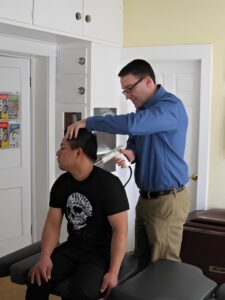
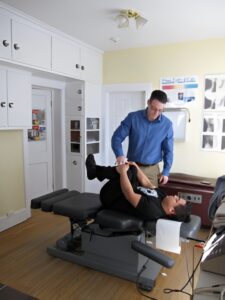
Getting evaluated before or shortly after starting a new routine is one of the smartest things a new exerciser can do. At Freehold Chiropractic, we can identify the imbalances, restrictions, and weaknesses that put you at risk for injury before they cause a problem.
Our chiropractic care ensures your spine and joints are moving properly and aligned well, which means your body can handle the demands of exercise more safely. We can also identify whether postural or biomechanical issues need to be addressed so you’re not building strength on a faulty foundation.
And if you do tweak something as you ramp up, addressing it early keeps a minor issue from sidelining your progress or becoming chronic.
A Sensible Starting Framework
If you’re just getting going, here’s a safe general approach:
- Weeks 1-2: Focus on movement quality, core stability, and learning proper form with light resistance.
- Weeks 3-4: Gradually add resistance and intensity while maintaining good form.
- Ongoing: Progress slowly, prioritize recovery, warm up every time, and pay attention to warning-sign pain.
This isn’t the fastest path, but it’s the one that keeps you exercising for years instead of getting hurt in the first month.
Frequently Asked Questions
Should I exercise if I already have back pain?
It depends on the cause and severity. Appropriate movement is often beneficial for back pain, but the wrong exercises can make certain conditions worse. If you have existing back pain, getting evaluated first helps ensure your routine supports your recovery rather than aggravating the problem.
How do I know if exercise soreness is normal or a sign of injury?
Normal soreness is dull, spread across the muscles you worked, and improves within a few days. Sharp, localized, or radiating pain, or any numbness or tingling, is a warning sign that should be evaluated rather than pushed through.
Start Strong and Stay Healthy
If you’re starting a new fitness routine and want to protect your back, or you’ve already developed pain getting started, we can help. Call Freehold Chiropractic at (732) 780-0044 or book an evaluation online. New patients can take advantage of our $49 comprehensive exam.