For most everyday back pain, you probably don’t need an MRI right away. Research consistently shows that early imaging often doesn’t change the treatment and can even lead to unnecessary worry and procedures. An MRI becomes genuinely useful in specific situations, and knowing the difference can save you a lot of stress.
Why More Imaging Isn’t Always Better
It feels logical that seeing inside your back would help. But for the majority of back pain cases, an MRI early on doesn’t improve the outcome.
A big reason is that MRIs pick up all sorts of findings that may have nothing to do with your pain. Bulging discs, mild arthritis, and disc wear show up on scans in plenty of people who feel completely fine.
So when a scan flags one of those things, it’s easy to blame it for your pain even when it isn’t the real culprit. That can send people down a path of fear and treatments they never needed.
What Usually Causes Back Pain Instead
Most back pain is mechanical. It comes from how your joints, muscles, and spine are moving, not from something an MRI would flag as an emergency.
Muscle strain, joints that have stiffened up, and posture-related stress cause a large share of the back pain I see here in Freehold. These respond well to hands-on care, and they don’t require a scan to begin treating.
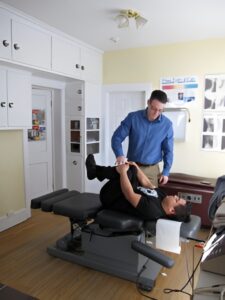
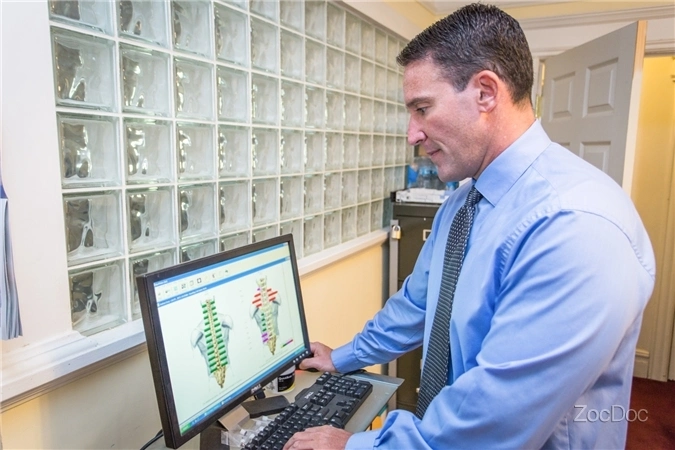
A thorough physical exam, a good history, and hands-on assessment usually tell us plenty about where to start.
When an MRI Really Is Warranted
Imaging has an important place. There are clear situations where I’d want a scan, or would refer you for one.
Red Flag Symptoms
Loss of bladder or bowel control, significant or worsening weakness in a leg, or numbness in the saddle area are warning signs. These call for prompt imaging and medical evaluation, not a wait-and-see approach.
Pain That Isn’t Improving
If you’ve given conservative care a fair chance and your pain isn’t budging, imaging can help us understand why. This is common with stubborn sciatica or suspected nerve involvement that isn’t responding as expected.
History or Trauma That Raises Concern
A significant injury, or a history that raises specific medical concerns, can also justify a scan earlier rather than later.
How We Approach It at Our Practice
My approach is to start with a careful evaluation, not to reach for expensive imaging by default.
In many cases we can begin conservative care right away and watch how your body responds. Gentle chiropractic adjustments address the mechanical issues behind most back pain, and your response often tells us as much as a scan would.
If the picture calls for imaging, or if I spot a red flag, I won’t hesitate to order it or refer you to the right specialist. Honest, appropriate care means using imaging when it helps and skipping it when it doesn’t.
Frequently Asked Questions
Will a chiropractor treat me without an MRI?
In most cases, yes. A thorough exam is usually enough to safely begin conservative care for common back pain. If your exam raises concerns, that’s when imaging enters the conversation.
Should I ask my doctor for an MRI just to be safe?
Not necessarily. For routine back pain without red flags, early MRIs often add cost and worry without changing the plan. If you have warning symptoms or aren’t improving, that’s a different story and worth discussing.
If back pain has you wondering what’s really going on, let’s start with a proper evaluation. Call Freehold Chiropractic at (732) 780-0044 or schedule a consultation online.