As a general rule, ice is best for fresh injuries and swelling in the first day or two, while heat works better for stiff, tight, or long-standing muscle pain. Using the wrong one at the wrong time can actually slow your recovery. Here’s how to tell which your body needs.
What Ice Actually Does
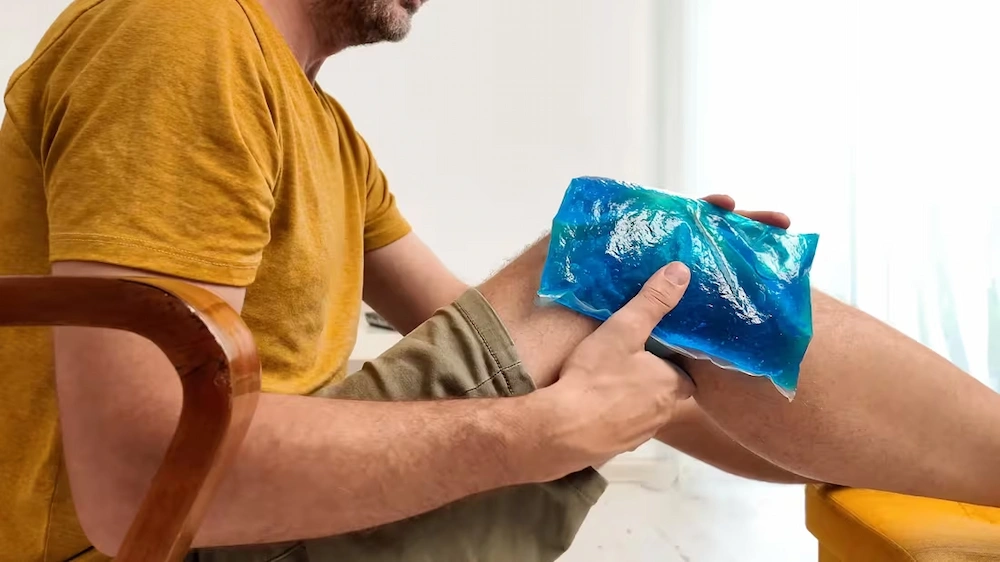
Ice narrows blood vessels and slows things down in the area you apply it. That’s exactly what you want right after an injury, when swelling and inflammation are the main problem.
Think of a rolled ankle, a fresh muscle strain, or a flare-up that came on suddenly. In those first 48 hours or so, ice helps control the swelling and numbs the sharp pain.
Keep it to about 15 to 20 minutes at a time, and always put a thin towel between the ice and your skin. Longer isn’t better, and direct ice on bare skin can do real damage.
What Heat Actually Does
Heat does the opposite. It opens blood vessels, increases circulation, and helps tight muscles relax. That makes it the better choice for stiffness and chronic, nagging aches rather than fresh injuries.
If your lower back feels tight and locked up in the morning, or your neck and shoulders are knotted after a long day, heat tends to feel a lot better than ice. A warm shower, a heating pad, or a warm compress for 15 to 20 minutes can loosen things up before you stretch or move.
The one rule with heat is to avoid it on a brand new injury or anything that’s swollen. Adding heat to active swelling usually makes it worse.
A Simple Rule of Thumb
When patients ask me which to use, I keep it simple. If it’s a new injury or there’s swelling, reach for ice. If it’s old, stiff, or tight with no swelling, reach for heat.
And here’s the honest truth I tell people here in Freehold: ice and heat are comfort tools. They calm symptoms, but they don’t correct the reason you’re hurting in the first place. That distinction matters a lot when pain keeps coming back.
Common Mistakes I See
The most common mistake is putting heat on a fresh injury because it feels soothing in the moment. It may feel good for a few minutes, but it can drive more swelling into an area that’s already inflamed.
The second mistake is leaving either one on for too long. Falling asleep on a heating pad or icing for 45 minutes can cause burns or skin damage. Set a timer and stick to the 15-to-20-minute window.
The third is relying on ice or heat for weeks while the real problem goes unaddressed. If you’re reaching for the heating pad every single day, that’s a signal, not a solution.
When Ice and Heat Aren’t Enough
If your pain keeps returning no matter how much you ice or heat it, something underneath needs attention. Recurring pain usually traces back to a joint that isn’t moving correctly, a nerve that’s irritated, or muscles compensating for a misalignment.
At our Freehold office, we look for that root cause instead of just chasing the symptom. Chiropractic adjustments restore proper motion to the joints, which takes pressure off the nerves and lets tight muscles finally relax. Ice and heat can support that process, but they work far better alongside care that fixes the actual problem.
This is especially true for ongoing back pain that you’ve been managing with a heating pad for months. At that point, you’re treating the alarm, not the fire.
Frequently Asked Questions
Can I alternate ice and heat?
Yes, in some cases alternating helps, especially as an injury moves past the swollen stage into the stiff, recovering stage. A common approach is ice early on, then switching to heat once the swelling settles. If you’re not sure where your injury stands, it’s worth getting it checked.
How do I know if it’s swollen or just stiff?
Swelling usually looks puffy, feels warm, and may be tender to the touch. Stiffness feels tight and restricted but without that warm, puffy quality. When in doubt on a recent injury, ice is the safer first choice.
If you’re stuck reaching for ice or heat day after day, let’s find out why the pain keeps coming back. Call Freehold Chiropractic at (732) 780-0044 or book your appointment to get a real answer.