Plenty of people genuinely hurt more when the weather turns cold, and they aren’t imagining it. Drops in temperature and barometric pressure can leave joints stiffer and more sensitive, especially if you have arthritis or an old injury. The good news is there’s a lot you can do to stay comfortable through the colder months.
Why Cold Weather Affects Your Joints
There are a few things going on at once. When the temperature drops, the fluid inside your joints gets a little thicker and moves less easily, so joints feel stiffer and creakier.
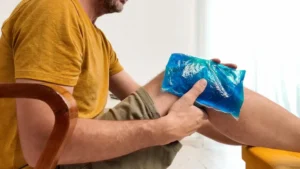
Cold also makes the muscles and tissues around a joint tighten up, which adds tension and limits how freely you move. On top of that, your body sends more blood to your core to stay warm, leaving your hands, knees, and feet feeling colder and achier.
Then there’s barometric pressure. When pressure falls before a storm, the tissues around your joints can expand just slightly. For a joint that’s already irritated or arthritic, that small change is often enough to set off pain.
Who Feels It the Most
Not everyone notices the weather in their joints, but some people feel it clearly. Folks with arthritis are usually the most sensitive, since those joints are already inflamed and have less cushioning to begin with.
People with old injuries often feel it too. That knee you hurt years ago or the lower back that’s flared up before tends to be the first place to complain when a cold front rolls through. Here in Freehold, our winters give plenty of patients a yearly reminder of injuries they thought were long behind them.
How to Keep Your Joints Happy in Winter
You can’t control the weather, but you can change how your body handles it. A few habits make a real difference.
Keep Moving
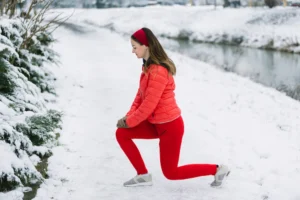
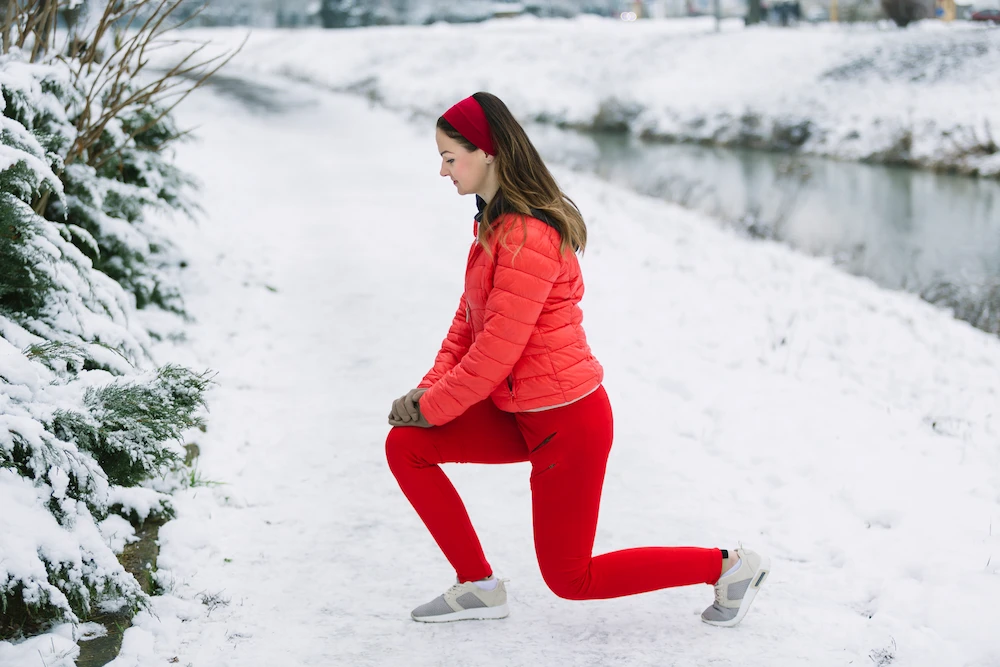
Movement is the best thing for stiff joints. It’s tempting to curl up and stay still when it’s cold, but inactivity makes stiffness worse. Gentle daily movement, a short walk, or some indoor stretching keeps the joints lubricated and the muscles loose.
Stay Warm and Layered
Dress in layers and pay extra attention to the joints that bother you most. Keeping your knees, hands, and lower back warm helps the surrounding muscles stay relaxed instead of tensing against the cold.
Don’t Skip Hydration
People drink less water in winter because they don’t feel as thirsty. But your joints and the discs in your spine rely on water to stay healthy, so staying hydrated matters just as much in January as it does in July.
How Chiropractic Care Fits In
If your joints stiffen up every winter, keeping them moving well makes the cold far easier to tolerate. When a joint is already restricted, the added stiffness from cold weather hits harder.
At our Freehold practice, chiropractic adjustments restore motion to joints that have tightened up, which eases the pressure on the surrounding muscles and nerves. For patients dealing with arthritis or recurring hip and joint pain, that better motion can make a cold morning feel a lot less brutal.
If arthritis is part of your story, you may also find our guide on arthritis pain management helpful for the bigger picture beyond the winter months.
Frequently Asked Questions
Can cold weather actually damage my joints?
Cold weather makes joints feel worse, but it doesn’t cause permanent damage on its own. What you’re feeling is increased stiffness and sensitivity, not new harm. That’s why staying active and warm helps so much.
Is it normal to predict the weather with my knee?
It’s more common than you’d think. Many patients notice their joints ache a day before a storm, likely from the drop in barometric pressure. It’s a real phenomenon, not just an old wives’ tale.
If the cold months leave your joints stiff and aching, you don’t have to just ride it out. Call Freehold Chiropractic at (732) 780-0044 or schedule a consultation to keep moving comfortably all winter.