Cracking your own back or neck once in a while usually isn’t dangerous, but doing it constantly is often a sign that something deeper needs attention. The relief you feel is temporary, and forcing the same joints over and over can irritate them. Here’s what’s really happening when you crack your own spine, and when it’s time to stop guessing.
What That Popping Sound Really Is
The pop you hear isn’t bones grinding or anything snapping into place. It’s gas. Your joints are surrounded by fluid, and when you stretch a joint quickly, tiny gas bubbles in that fluid release and make that familiar cracking sound.
That’s why you can’t immediately crack the same joint twice. The gas needs time to build back up before it’ll pop again. The sound itself is harmless, which is the part that surprises most people.
Why Cracking Feels So Good, and Why the Relief Doesn’t Last
When you crack your back or neck, you get a quick stretch and a small release of tension. Your body even releases a little burst of feel-good chemicals, which is why it can feel almost addictive.
Here’s the catch. When you twist hard to crack your spine, you usually move the joints that already move well, not the stiff ones causing the problem. The relief fades fast because the actual restricted joint never got addressed. So you find yourself cracking the same spot again an hour later.
Is It Actually Dangerous?
For most people, an occasional self-crack isn’t going to hurt you. The trouble comes with the constant, forceful, all-day-long habit.
Repeatedly forcing the same joints can stretch out the ligaments that hold them stable. Over time that can make a joint too loose, which actually leads to more pain and more cracking, not less. It becomes a cycle.
The Neck Deserves Extra Caution
Your neck is the area I’d ask you to be most careful with. There are important blood vessels and nerves running through it, and aggressive, fast twisting of your own neck is a different thing entirely from a controlled adjustment. If you feel a constant need to crank your neck to one side for relief, please don’t keep forcing it. That’s exactly the kind of thing worth having looked at.
Why You Keep Wanting to Crack the Same Spot
If one area always feels like it “needs” to crack, that’s a clue. Usually it means a nearby joint is stuck and not moving the way it should. The mobile joints around it overwork and feel tight, so you crack them for relief, while the truly restricted joint stays stuck.
In my 27 years in Freehold, that pattern is one of the most common things I see. People crack the same spot for years and never get lasting relief, because the real problem was one segment over the whole time.
What a Real Adjustment Does Differently
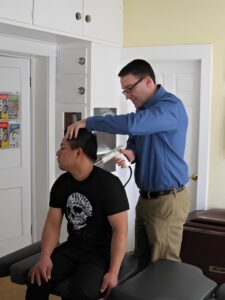
A chiropractic adjustment isn’t just a harder version of cracking your own back. The whole point is precision. We identify the specific joint that isn’t moving correctly and apply a controlled, targeted force to that exact spot.
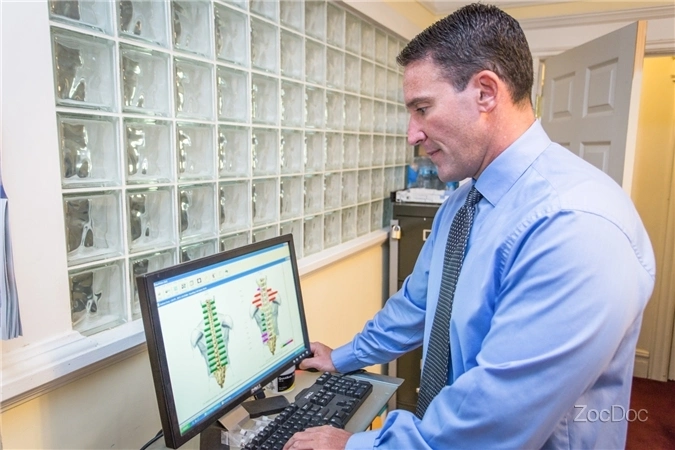
That’s the difference between releasing the joints that already work and freeing the one that’s actually stuck. At our Freehold practice, we use a full evaluation to find that restricted segment before we ever adjust anything. The goal is lasting motion, not a quick pop that wears off.
If you’ve been chronically cracking your neck or back, a proper chiropractic adjustment can break that cycle by addressing the joint you’ve been missing.
Frequently Asked Questions
Does cracking my own back cause arthritis?
The old warning that cracking causes arthritis isn’t supported by good evidence, at least for the occasional pop. The bigger concern is the constant forceful habit, which can loosen and irritate joints over time rather than cause arthritis directly.
If it feels stuck, why shouldn’t I just crack it myself?
Because you’ll almost always move the wrong joint. The stuck segment is hard to reach on your own, so you end up overworking the joints around it. That’s why the “stuck” feeling keeps coming back no matter how often you crack it.
If you’re constantly cracking the same spot and never getting lasting relief, there’s usually a reason. Call Freehold Chiropractic at (732) 780-0044 or schedule a consultation so we can find what’s actually stuck.