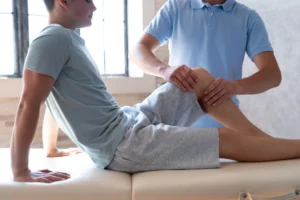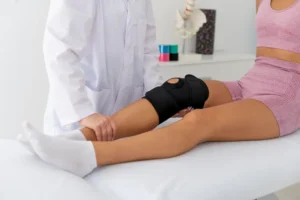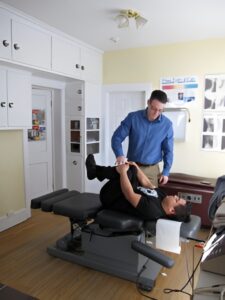

Arthritis causes joint pain, stiffness, and reduced mobility from inflammation and cartilage breakdown, but chiropractic care can meaningfully improve function and reduce discomfort for many people. At Freehold Chiropractic in Freehold, we help arthritis patients maintain mobility and ease pain through gentle chiropractic adjustments, targeted exercises, and lifestyle changes, rather than relying only on medication. We can’t reverse arthritis, but many patients see real improvement in pain levels and daily function.
Understanding Arthritis and Its Impact
Arthritis isn’t a single disease. It’s a group of conditions that cause joint inflammation, pain, and stiffness.
The two most common types are osteoarthritis and rheumatoid arthritis. Osteoarthritis develops from wear and tear on joints over time. Rheumatoid arthritis is an autoimmune condition where the body attacks its own joints.
Both cause pain, swelling, reduced range of motion, and trouble with daily activities. Pain often worsens with activity and improves with rest, and morning stiffness is common.
Many people assume arthritis pain is something they just have to live with. Chiropractic care can’t cure arthritis or regrow damaged cartilage, but it can significantly improve how many people feel and function.
How Arthritis Affects Different Joints
Spinal Arthritis
Arthritis in your spine causes back pain, stiffness, and reduced flexibility. Bone spurs can develop and press on nerves, causing pain that travels.
Hip Arthritis
Hip arthritis typically causes pain in the groin, buttock, or thigh, and walking, climbing stairs, and getting up from chairs become difficult. Hip pain often limits daily activities significantly.
Knee Arthritis
Knee arthritis causes pain with walking, standing, or climbing stairs. The joint may feel unstable, and swelling and stiffness are common.
Hand and Wrist Arthritis
Arthritis in the hands makes gripping difficult. Opening jars, buttoning shirts, and writing become challenging, and finger joints may become enlarged in more advanced cases.
Shoulder Arthritis
Shoulder arthritis limits overhead reaching and makes sleeping on that side painful, and rotator cuff problems often come along with it.
Ankle and Foot Arthritis
Arthritis in the feet and ankles causes pain with walking and standing, and finding comfortable shoes becomes harder as joints enlarge.
How Chiropractic Helps Arthritis Pain
Chiropractic care can’t reverse cartilage damage, but it addresses factors that make arthritis pain worse.
Improving Joint Mechanics
Arthritis changes how joints move, and compensation patterns develop as you try to avoid pain. Those altered mechanics add stress to joints that are already worn.
Gentle adjustments and mobilization restore better movement. When joints move more normally, pain often decreases and function improves, even though the arthritis itself remains.
Easing Joint Irritation
Better joint motion and less muscle guarding can calm the mechanical irritation that adds to arthritis pain, giving you a drug-free way to ease discomfort alongside any treatment from your doctor.
Maintaining Mobility
Arthritis causes joints to stiffen, and reduced movement tends to increase pain. Regular care helps maintain joint mobility and prevent severe stiffening. The old saying “motion is lotion” applies well to arthritis.
Addressing Compensation Problems
When one arthritic joint hurts, you tend to overuse other joints, which can create new problems in areas that were healthy. We identify and address these compensation patterns early.
Supporting Surrounding Structures
Muscles, ligaments, and tendons around arthritic joints work overtime to make up for joint instability, creating secondary pain separate from the arthritis itself. Soft tissue therapy and specific exercises strengthen these structures, reducing overall pain and improving stability.

Osteoarthritis vs Rheumatoid Arthritis Treatment
Both types can benefit from chiropractic care, but our approach differs depending on which one you have.
Osteoarthritis
Osteoarthritis usually responds well to regular adjustments, joint mobilization, and exercise. Because it’s a mechanical, wear-and-tear condition, care can be more active and hands-on, with the focus on maintaining mobility and reducing mechanical stress.
Rheumatoid Arthritis
Rheumatoid arthritis calls for gentler techniques, especially during flare-ups when inflammation is severe. RA can also weaken the ligaments that stabilize the top of the neck, so we avoid manipulation of the upper neck and use gentle mobilization and soft tissue work instead.
We coordinate care with your rheumatologist so our treatment complements your medical management, which is essential for protecting your joints with RA.
Exercise and Movement for Arthritis
Exercise is one of the most important tools for managing arthritis, but the right type and intensity matter.
Low-Impact Activities
Swimming, water aerobics, cycling, and walking provide cardiovascular benefits without excessive joint stress, helping you stay fit while protecting arthritic joints.
Range-of-Motion Exercises
Gentle stretching and movement exercises keep joints from stiffening. We teach specific exercises for your affected joints that maintain mobility without causing pain.
Strengthening Exercises
Strong muscles support and protect arthritic joints, and we provide progressive strengthening exercises suited to your condition.
Balance Training
Arthritis can affect balance and raise fall risk. Balance exercises improve stability and help prevent falls that could worsen joint problems.
The key is finding the right balance between staying active and overdoing it, and we’ll guide you based on your specific situation.
Nutrition and Arthritis Management
What you eat can influence inflammation and arthritis symptoms.
Anti-Inflammatory Foods
Fatty fish rich in omega-3s, colorful fruits and vegetables, nuts, olive oil, and whole grains support an anti-inflammatory diet.
Foods to Limit
Processed foods, refined sugars, and excessive red meat can contribute to inflammation.
Weight Management
Excess weight adds stress to weight-bearing joints. Each pound lost takes about four pounds of load off your knees with every step, which makes weight management one of the most effective things you can do for knee and hip arthritis.
Supplements
Some people try supplements like glucosamine, chondroitin, omega-3 fatty acids, or turmeric for joint health. Research results are mixed, and some supplements can interact with medications like blood thinners, so check with your doctor before starting any of them.
Managing Arthritis Flare-Ups
Arthritis symptoms come and go, and some days are worse than others. Learning to manage flare-ups improves your quality of life.
During flare-ups, reduce activity for a while but don’t stop moving completely, since gentle movement helps more than complete rest. Ice can ease acute swelling, and we use gentler techniques during severe flares.
Identify the triggers that worsen your symptoms, such as weather changes, stress, diet, and overactivity. I cover the weather question in my post on whether cold weather makes joint and arthritis pain worse.
When to See a Doctor Promptly
Contact your doctor right away if a joint becomes suddenly hot, red, and swollen, if joint pain comes with fever, or if several joints swell at once with morning stiffness that lasts more than an hour. These can signal infection, gout, or an inflammatory arthritis that needs medical treatment.
Arthritis Medications and Chiropractic Care
Many arthritis patients take medication for pain and inflammation. Chiropractic care can work alongside these medications, and some patients find they need less over time.
We don’t tell you to stop medications prescribed by your doctor. Our goal is to improve your function and ease pain, and any medication changes should always be coordinated with your prescribing physician.
When Joint Replacement Becomes Necessary
Conservative care helps some people delay joint replacement surgery, but some severe cases eventually need surgery.
Surgery may be necessary when conservative care no longer provides enough relief, joint damage severely limits daily activities, or quality of life is significantly compromised despite good conservative care.
If surgery becomes necessary, we’ll refer you to a qualified orthopedic surgeon. Staying strong and mobile before surgery may also support a smoother recovery afterward.
Slowing Arthritis Progression
You can’t stop arthritis completely, but you can influence how it affects you.
Maintain a healthy weight to reduce joint stress, stay active with appropriate exercise, and pace high-impact activities that aggravate your symptoms. Address injuries promptly, since previous injuries raise arthritis risk, and manage inflammation through diet and lifestyle.
Arthritis usually progresses slowly, and consistent care and healthy habits make a real difference in long-term comfort and function.
Arthritis in Seniors vs Younger Adults
Arthritis affects people of all ages, though it’s more common in older adults.
Senior Arthritis Care
Seniors often have several arthritic joints along with other health conditions. Our approach focuses on maintaining independence, preventing falls, and keeping daily activities manageable, with gentler techniques suited to aging bodies.
Younger Adult Arthritis
Younger people with arthritis often have inflammatory arthritis or arthritis that developed after an injury. Care focuses on staying active at work and in recreation, with activity modification and joint protection strategies.
Real Results from Freehold Arthritis Patients
Over my 27 years in Freehold, I’ve helped many arthritis patients improve their quality of life. People who struggled with stairs regain mobility, and seniors who feared losing independence stay active.
The key is realistic expectations. We can’t make arthritis disappear, but we can help many people feel and function better.
Frequently Asked Questions
Is chiropractic safe for arthritis?
For most people, yes. We use gentle techniques adapted for arthritic joints, never force inflamed joints, and take extra care with rheumatoid arthritis, especially around the neck.
How often should I get adjusted if I have arthritis?
Many patients start with weekly or every-other-week visits, then move to monthly maintenance once symptoms improve. Your schedule depends on your arthritis and how you respond.
Can chiropractic cure my arthritis?
No. It can’t reverse cartilage damage, but it can help many people with pain, mobility, and daily function.
Will adjustments make my arthritis worse?
Gentle, appropriate care shouldn’t worsen arthritis. Some mild soreness after a visit is normal, and we adjust techniques to your joints and comfort.
Get Better Arthritis Management in Freehold
If arthritis is limiting your activities or causing chronic pain, let’s see how much we can improve your comfort and function. Call our Freehold office at (732) 780-0044 or schedule your consultation online. We’ll evaluate your arthritis and create a personalized plan to help you feel and function better.
Dr. Russell Brokstein is a lifelong Freehold resident and a seasoned chiropractor dedicated to helping patients achieve optimal health through holistic, drug-free care. With a Biology degree from Penn State and a Doctor of Chiropractic from Life Chiropractic College West, Dr. Brokstein’s passion for chiropractic began when his own recurring bronchial issues and a sports-related back injury were resolved through chiropractic adjustments. This transformative experience inspired him to focus on full-body treatments, therapeutic stretching, nutritional counseling, and stress reduction therapies to help others recover faster and perform better. Recognized as one of America’s Best Chiropractors, he leads Freehold Chiropractic with a patient-centered approach that emphasizes thorough evaluations, minimal wait times, and personalized care for athletes and families in Freehold, NJ.