
Forward head posture happens when your head shifts forward of your shoulders, forcing your neck and upper back to work overtime to hold up the weight of your head. At Freehold Chiropractic in Freehold, we correct forward head posture through targeted chiropractic adjustments to the neck and mid-back, postural exercises, and ergonomic changes that address the cause rather than just telling you to “stand up straight.” Many patients notice better posture and less pain within four to six weeks.
Why Forward Head Posture Is So Hard on Your Spine
Your head weighs about 10 to 12 pounds when it’s balanced over your shoulders. As it drifts forward and down, the load your neck has to manage rises sharply. One widely cited biomechanical model estimates that tilting your head forward and down to look at a phone can raise that load to around 40 to 60 pounds.
That’s like carrying a heavy bowling ball with your neck for hours every day, and the strain doesn’t just cause neck pain.
Over time, forward head posture may contribute to wear on the discs in your neck, and it creates chronic muscle tension in the neck, shoulders, and upper back. It can make breathing feel less comfortable by rounding the upper back and chest, and it often contributes to tension headaches from muscle strain and nerve irritation.
What Causes Forward Head Posture
Desk Jobs and Computer Work
This is the number one culprit I see in my Freehold practice. When you lean forward to look at a screen, your head shifts forward and down, and after hours of this every day, the position becomes your default posture. Learn more about how desk jobs affect your spine.
Smartphone and Tablet Use
Looking down at your phone for hours each day creates “text neck,” with your head tilted forward and down, which adds stress to your neck. Young people are developing posture problems earlier than ever because of constant device use.
Poor Ergonomics
Monitors positioned too low, chairs without good support, and workspaces that force awkward positions all contribute to forward head posture.
Weak Postural Muscles
The muscles that pull your head back and stabilize your shoulder blades weaken from disuse, while the muscles in the front of your body become tight and shortened, pulling you further forward.
Previous Injuries
Whiplash from car accidents, sports injuries, or falls can injure the muscles and ligaments that support good neck position. Without proper care, posture often compensates and worsens over time.
Spinal Restrictions
When your mid-back stiffens and loses its natural curve, or joints in your neck stop moving well, your body often compensates by moving your head forward.
How Forward Head Posture Causes Headaches and Neck Pain
The connection between posture and head pain is direct.
Forward head posture creates constant tension in the small suboccipital muscles at the base of your skull, some of which connect to the protective membrane around the spinal cord. When these muscles stay tight, they can trigger tension headaches.
The strain can also irritate nerves in the upper neck that travel into the head, causing cervicogenic headaches that start in the neck and spread forward.
Neck pain develops as muscles tire from constant overwork, and what starts as occasional stiffness can become persistent pain that spreads into the shoulders and between the shoulder blades. Headaches and migraines often have a neck and posture component that gets missed when only the head is treated.
How We Correct Forward Head Posture
At Freehold Chiropractic, we don’t just tell you to sit up straight. Willpower alone can’t fix posture problems caused by joint restrictions and muscle imbalances.
Comprehensive Posture Assessment
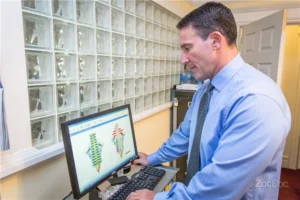
We evaluate your posture from all angles, checking head position, shoulder alignment, mid-back curve, and how everything connects, so we can identify the specific restrictions and imbalances contributing to your forward head posture.
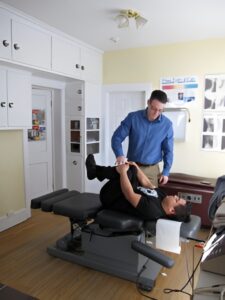
Cervical Spine Adjustments
We restore better alignment and motion to your neck, easing nerve irritation and letting muscles relax. When your neck moves well, holding good posture becomes much easier.
Thoracic Spine Adjustments
Your mid-back plays a crucial role in posture. We address mid-back stiffness to support the natural curve that helps your head sit properly, and many people don’t realize their neck problems start in their mid-back.
Soft Tissue Therapy
We release the tight muscles in the front of your neck and chest that pull you forward, and we work on the overworked muscles in the back of your neck and between your shoulder blades to reduce tension and trigger points.
Postural Strengthening Exercises
We teach you specific exercises to strengthen weak postural muscles and stretch tight ones, including chin tucks to retrain your neck position, shoulder blade squeezes to strengthen your upper back, and chest stretches to open your shoulders. You’ll find more in my post on recommended neck exercises.
We also include exercises for mid-back extension and core stability. Strong postural muscles make holding good alignment much easier.
Ergonomic Modifications
We give specific recommendations for your workspace, computer setup, phone use, and daily activities. Small changes, like raising your monitor to eye level or using a laptop stand, make a big difference.
How Long Does It Take to Fix Forward Head Posture?
It depends on how long you’ve had poor posture and how significant the restrictions and muscle imbalances are.
Many patients notice less pain within the first two to three weeks, and visible posture improvements often appear within four to six weeks of consistent care and exercise. Correcting long-standing forward head posture usually takes three to six months.
Consistency is key. Regular visits and daily exercises lead to much faster results than sporadic treatment.
The Connection Between Posture and Overall Health
Posture affects more than pain. Some studies have linked forward head posture to reduced breathing function, and many people find they breathe more comfortably as their posture improves.
Posture can also affect how you feel day to day. Many patients tell us they feel more energetic and confident once they’re holding themselves more upright without pain.
Preventing Posture Problems from Returning
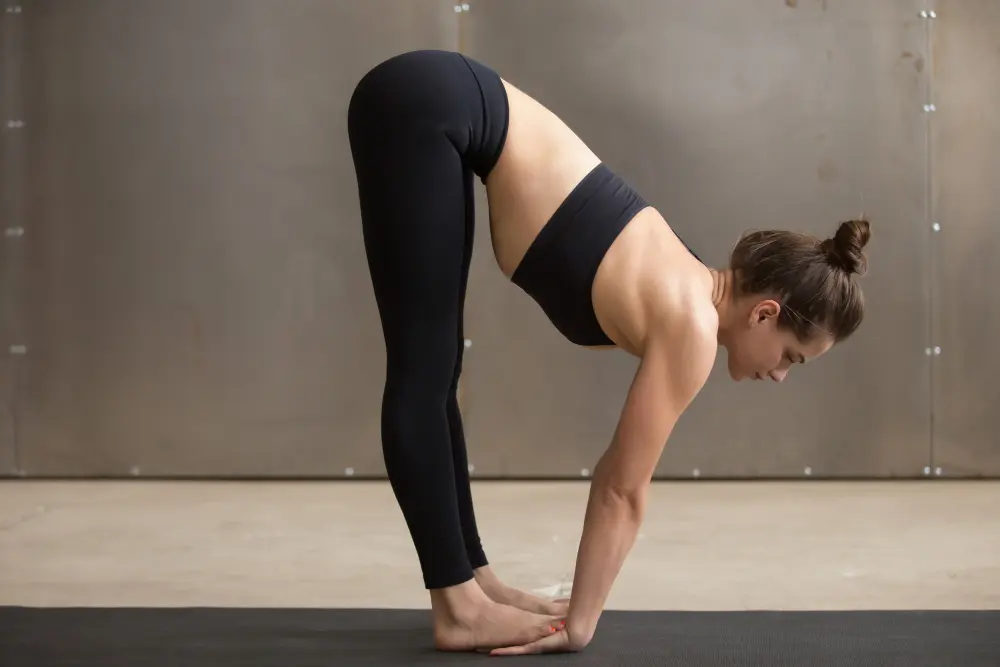
Once we’ve improved your forward head posture, keeping it means paying attention to daily habits.
Set up your workspace with good monitor height and chair support, take frequent breaks to move and stretch, hold your phone closer to eye level, practice posture awareness during the day, and keep up your strengthening exercises.
Periodic maintenance visits can help catch small problems before they become big ones.
Technology Is Making Posture Worse
I’ve been treating patients in Freehold for 27 years, and forward head posture has become far more common in the past decade.
Many people now spend several hours a day looking down at their phones, often with their heads tilted sharply forward, which adds a lot of strain to the neck.
Young people are now coming in with the kind of neck pain and posture problems that used to show up mainly in middle-aged desk workers, and this trend will likely continue unless people take steps to protect their posture.
Posture and Athletic Performance
Athletes often overlook posture, but it can affect performance.
Forward head posture and rounded shoulders can limit shoulder mobility, which matters for throwing and swimming, and can create muscle imbalances that raise injury risk. Our sports performance care includes posture correction as part of improving athletic ability and helping prevent injuries.
Children and Posture
Kids are developing posture problems younger than ever because of screen time and heavy backpacks.
Forward head posture in children deserves attention because their spines are still developing, and habits are easier to change early. We provide gentle, safe chiropractic care for children and teens to address posture problems before they become ingrained.
When to See a Doctor
See a doctor promptly if neck pain comes with numbness or weakness in your arms that’s getting worse, clumsiness in your hands, trouble with balance, fever, or a sudden severe headache unlike any you’ve had before. These symptoms point to something more than posture.
Real Results from Our Freehold Patients
I’ve seen many patients transform their posture, pain levels, and quality of life with the right care.
Office workers with daily headaches find relief once we address their posture and neck mechanics. People who couldn’t turn their heads without pain regain their range of motion, and many patients who felt worn out all the time report having more energy as their pain eases. Every case is different, and results vary.
The common thread is that they all thought poor posture was just something they had to live with. Addressing the underlying problems often changes that.
Frequently Asked Questions
Can I fix my posture just by being more aware of it?
Awareness helps, but it’s usually not enough when joint restrictions and muscle imbalances are involved. Care that addresses those problems, plus exercise, makes good posture much easier to hold.
How often do I need to come in for posture correction?
Many patients start with two to three visits a week for the first few weeks, then come less often as their posture improves. Your plan depends on how significant your posture problems are and how long you’ve had them.
Will my forward head posture come back after treatment?
It can if you return to the same habits. Good ergonomics, regular exercise, and periodic check-ins help keep your improvements.
Can forward head posture cause permanent damage?
Long-term poor posture may contribute to wear in the neck over time. Even long-standing cases can improve significantly with the right care.
Get Your Posture Evaluated in Freehold
If you’re dealing with neck pain, headaches, or poor posture from desk work or device use, let’s address the problem at its source. Call our Freehold office at (732) 780-0044 or schedule your consultation online. We’ll do a comprehensive posture assessment and create a personalized plan to restore better alignment and ease your pain.
Dr. Russell Brokstein is a lifelong Freehold resident and a seasoned chiropractor dedicated to helping patients achieve optimal health through holistic, drug-free care. With a Biology degree from Penn State and a Doctor of Chiropractic from Life Chiropractic College West, Dr. Brokstein’s passion for chiropractic began when his own recurring bronchial issues and a sports-related back injury were resolved through chiropractic adjustments. This transformative experience inspired him to focus on full-body treatments, therapeutic stretching, nutritional counseling, and stress reduction therapies to help others recover faster and perform better. Recognized as one of America’s Best Chiropractors, he leads Freehold Chiropractic with a patient-centered approach that emphasizes thorough evaluations, minimal wait times, and personalized care for athletes and families in Freehold, NJ.