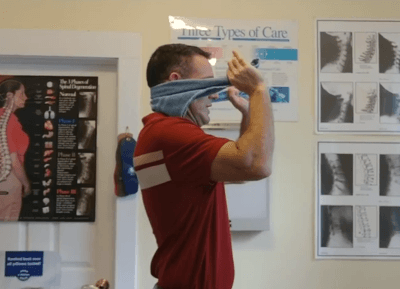
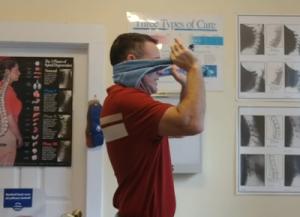
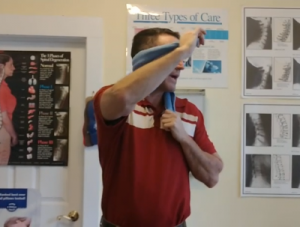
SNAG (Sustained Natural Apophyseal Glide) Mulligan mobilizations are gentle self-treatment techniques that combine a sustained glide to a spinal segment with active head movement. They’re designed to reduce neck pain, cervicogenic headaches, and motion-related dizziness. When performed correctly, these simple moves can provide fast, temporary relief by improving joint tracking in the upper cervical spine. The most important rule: move slowly within a pain-free range and stop immediately if symptoms increase.
SNAG Mulligan Mobilizations for Neck Pain and Headache Relief
Stretching and exercise are an important part of our treatment protocol. I’m always searching for additional movements that can benefit my patients. Recently, I came across two simple moves called SNAG Mobilization—part of the Mulligan Concept—that help with neck pain, headaches, migraines, and dizziness.
SNAG stands for Sustained Natural Apophyseal Glide, a technique developed by New Zealand physiotherapist Brian Mulligan. The concept is simple: when joints move correctly, movement should be pain-free. SNAG mobilizations apply a gentle, sustained glide to a vertebral segment while you actively move your head, helping restore normal motion and reduce pain.
I created a video to demonstrate both moves. The first helps provide temporary relief of neck pain and cervicogenic headaches. The second can also help relieve neck pain, plus dizziness or vertigo. Watch the self-mobilization techniques and try them yourself by following along.
Important Safety Guidelines
I must stress: if you feel pain while doing the SNAG mobilization, ease up and stop. Inform your doctor.
These techniques will not fix the underlying cause of your pain, headaches, or dizziness. They’re adjunctive techniques that help expedite a proper treatment plan, provide temporary relief when you experience symptoms, and help prevent problems by maintaining joint motion.
Stop immediately and seek professional evaluation if you experience:
- Pain, dizziness, or nausea that increases during the movement
- Double vision, slurred speech, or difficulty walking
- Sudden severe headache or new neck pain
- Any neurological changes like weakness or numbness
Avoid these techniques if you have: recent neck trauma, history of neck fracture or surgery, osteoporosis, or vascular issues affecting the neck. When in doubt, get assessed first.
Making These Moves Part of Your Routine
Once you’ve confirmed SNAG mobilizations help your symptoms, aim for 3-5 repetitions once or twice daily. Pair them with good posture habits and regular movement breaks from your desk. Think of these as one tool in your self-care toolkit—they work best alongside professional treatment, not as a replacement for it.
If your pain returns quickly despite consistent practice, or if headaches and dizziness are interfering with work or sleep, it’s time for a comprehensive evaluation to address the root cause.
More Stretches and Exercises
If you’d like to see our other full-body spinal hygiene stretches and exercises, visit us on YouTube: Stretches for Relief and Recovery
We cover everything from basic stretching for low back pain, sciatica, neck pain, radiculopathy in the arms and hands, core stabilization, posture exercises, shoulder pain, ergonomics, foam rolling, and much more. Make your health and body a priority—do 5 to 10 minutes a day and see how much better you feel.
Let us know if you try these stretching techniques and how you like them. Please share with family, friends, and colleagues. So many people suffer and don’t know what stretches to do—or are using improper form that might cause more harm than good.
Key Takeaways
- SNAG Mulligan mobilizations combine a sustained glide with active head movement to restore pain-free motion in the neck
- These techniques provide temporary relief but don’t fix underlying structural problems
- Safety first: move slowly, stay in a comfortable range, and stop if symptoms worsen
- Best results come from combining self-mobilization with professional care and good daily habits
- If symptoms persist or significantly impact your life, get a proper evaluation
Frequently Asked Questions
What are SNAG Mulligan mobilizations and how do they work?
SNAG (Sustained Natural Apophyseal Glide) mobilizations are gentle techniques where a sustained glide is applied to a spinal segment while you actively move, helping joints track more normally and reducing mechanical neck pain or cervicogenic headaches.
Are SNAG techniques safe to do at home?
They can be safe after a qualified provider confirms they’re appropriate for you and teaches correct form. Avoid them with recent trauma, severe pain, neurological signs, osteoporosis, or vascular issues—and always stop if pain or dizziness worsens.
How often can I perform these exercises?
Most people start with 3–5 repetitions once or twice daily and adjust based on how their symptoms respond.
Can SNAG mobilizations help with dizziness or vertigo?
They may help cervicogenic dizziness linked to neck joint dysfunction, but not dizziness from inner-ear, cardiovascular, or neurological causes—those require proper medical evaluation first.
When should I stop and see a professional?
Stop if pain worsens, new symptoms appear (numbness, weakness, visual changes, increased dizziness), or if you only get brief relief and symptoms keep returning. Seek urgent help for any sudden severe headache or stroke-like signs.