

A pinched nerve happens when surrounding tissues—a herniated disc, bone spur, or swollen muscle—compress a nerve and interfere with its function. At Hometown Family Wellness Center, I treat pinched nerves by addressing the underlying compression rather than just masking the symptoms with medication.
What “Pinched Nerve” Actually Means
“Pinched nerve” is one of those terms patients use to describe a specific type of pain, but it covers a lot of ground medically. The technical term is nerve compression or nerve entrapment. Something is pressing on a nerve, irritating it, and causing symptoms.
Nerves don’t like pressure. They’re designed to transmit signals freely between your brain and body. When something compresses a nerve, those signals get disrupted. You might feel pain, numbness, tingling, weakness, or some combination of all four.
In your back, pinched nerves most commonly involve the spinal nerve roots—the nerves branching off your spinal cord and exiting between each vertebra. These nerve roots are vulnerable because they pass through relatively tight spaces. Any narrowing of that space can cause problems.
Common Causes of Pinched Nerves in the Back
Several conditions create the compression that pinches spinal nerves:
Herniated or bulging discs are the most frequent cause I see. The discs between your vertebrae act as shock absorbers. When a disc herniates, the soft inner material pushes outward and can press directly on a nerve root. I’ve written extensively about herniated disc treatment options if you want more detail on this specific cause.
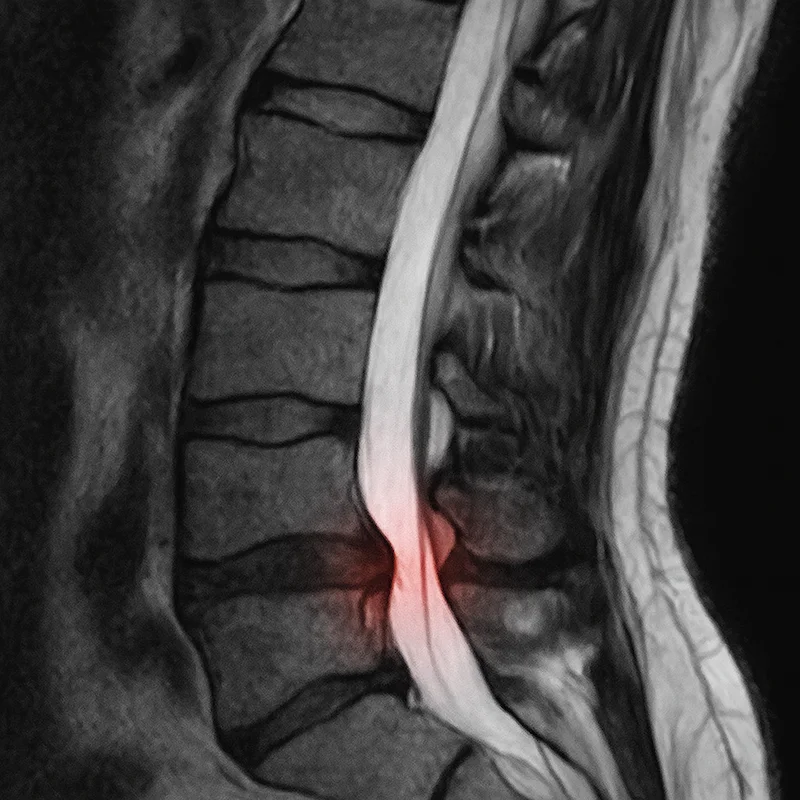
Degenerative changes occur naturally with age. As discs lose height and joints develop arthritis, the spaces where nerves exit can narrow. Bone spurs may form and encroach on nerve pathways.
Spinal stenosis involves narrowing of the spinal canal itself. This can compress the spinal cord or the nerve roots, particularly in the lower back.
Vertebral misalignment changes the relationship between spinal structures. Even subtle shifts in vertebral position can reduce the space available for nerves and create irritation.
Muscle spasm and inflammation sometimes compress nerves indirectly. Severely spasmed muscles can put pressure on nearby nerves, and inflammatory swelling reduces the space around nerve structures.
Spondylolisthesis occurs when one vertebra slips forward over another, potentially pinching the nerves between them.
Symptoms of a Pinched Nerve in Your Back
The symptoms depend on which nerve is compressed and how severely. Pinched nerves in the lower back (lumbar spine) typically cause:
- Sharp or burning pain in the lower back
- Pain radiating into the buttock, leg, or foot
- Numbness or tingling following a specific path down your leg
- Muscle weakness in the affected leg
- Symptoms that worsen with certain positions or movements
- Difficulty sitting for extended periods
When the pinched nerve involves the sciatic nerve pathway, the pain can travel all the way from your lower back to your toes. This is classic sciatica—one of the most common pinched nerve presentations I treat.
Pinched nerves in the mid-back (thoracic spine) are less common but can cause pain wrapping around the ribcage or into the chest. Upper back and neck nerve compression often creates symptoms radiating into the shoulder and arm—I’ve covered ulnar nerve entrapment as one example of this pattern.
Why the Location Matters
Your spine has 31 pairs of spinal nerves, and each one controls specific areas of your body. This is actually helpful diagnostically—the pattern of your symptoms tells me which nerve is likely involved.
For example:
- L4 nerve root compression often causes pain and numbness on the inner shin and ankle
- L5 nerve root compression typically affects the top of the foot and big toe
- S1 nerve root compression usually creates symptoms along the outer foot and little toe
Understanding this nerve map helps me identify exactly where the problem is occurring and tailor treatment accordingly.
The Problem With Only Treating Symptoms
Here’s what usually happens: someone develops pinched nerve symptoms, sees their doctor, gets prescribed anti-inflammatory medication or muscle relaxers, maybe receives a steroid injection. The symptoms improve temporarily. Then they return.
Why? Because none of those treatments addressed the compression itself.
Medications reduce inflammation and block pain signals. That provides relief—and I’m not against pain relief. But if the disc is still herniated, if the vertebra is still misaligned, if the space around the nerve is still narrowed, the problem persists. When the medication wears off, the symptoms come back.
My approach is different. I want to know why the nerve is being pinched and address that underlying cause.
How Chiropractic Care Helps Pinched Nerves
Chiropractic treatment works to reduce nerve compression through several mechanisms:
Spinal adjustments restore proper alignment and movement to vertebrae. When vertebral segments move correctly, the spaces where nerves exit often open up. This reduces direct pressure on compressed nerve roots.
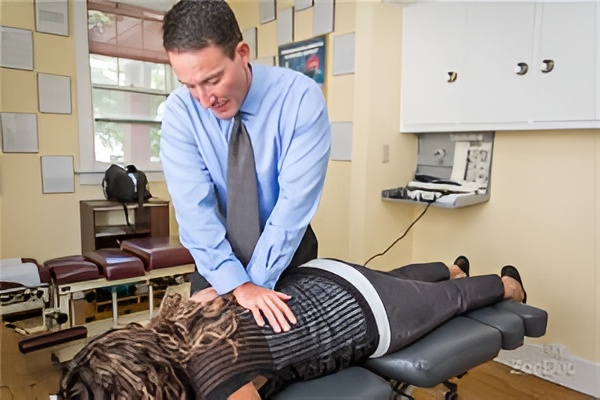
Disc pressure reduction occurs with specific adjustment techniques and positioning. Proper spinal alignment takes pressure off damaged discs, allowing herniated material to migrate away from the nerve over time.
Muscle tension release addresses the soft tissue component. Tight, spasmed muscles contribute to nerve compression and also prevent your spine from moving properly. Releasing this tension supports both immediate relief and long-term correction.
Inflammation reduction happens naturally when the mechanical irritation decreases. Once we reduce the compression on a nerve, the inflammatory response calms down.
Postural correction prevents the habits and positions that created the nerve compression in the first place.
What I Look For During Your Evaluation
Pinched nerve symptoms can come from various sources, so proper evaluation matters. When you come to Hometown Family Wellness Center with suspected nerve compression, I assess:
Your symptom pattern—exactly where you feel pain, numbness, or tingling, and whether it follows a specific nerve pathway.
Range of motion—which movements reproduce or worsen your symptoms, and which positions provide relief.
Neurological function—reflexes, muscle strength, and sensation in the affected areas. These tests help identify which nerve level is involved and how significantly it’s affected.
Spinal mechanics—how each vertebral segment is moving and whether misalignments exist that could contribute to nerve compression.
Orthopedic tests—specific maneuvers that stress different structures to pinpoint the source of compression.
This thorough assessment takes more time than a quick exam, but it gives me the information needed to treat effectively. If I find signs suggesting serious nerve damage or conditions requiring imaging, I’ll refer you appropriately.
Recovery Timeline
How quickly pinched nerve symptoms improve depends on several factors: what’s causing the compression, how long you’ve had symptoms, and the severity of the nerve irritation.
Many patients notice significant improvement within the first few weeks of care. The pain often decreases first, followed by gradual resolution of numbness and tingling. Weakness, if present, typically takes longest to resolve as the nerve heals.
Some cases respond quickly. Others—particularly long-standing compression or significant disc herniations—require more extended treatment. I’ll give you an honest assessment after your evaluation so you know what to expect.
Supporting Your Recovery at Home
Between visits, certain strategies help:
Movement matters. Complete rest often makes pinched nerve symptoms worse. Gentle movement and specific stretches keep things from tightening up further. I’ll show you which movements are safe for your specific situation.
Posture awareness reduces ongoing nerve irritation. Pay attention to how you sit, stand, and sleep. Avoid positions that worsen your symptoms.
Ice or heat can help manage discomfort. Ice typically works better for acute inflammation; heat helps with muscle tension. I’ll advise which makes more sense for your situation.
Nerve gliding exercises help maintain nerve mobility within surrounding tissues. Similar to the cervical nerve flossing stretches I’ve written about, lumbar nerve glides can support healing.
When a Pinched Nerve Needs More Than Chiropractic Care
Most pinched nerves respond well to conservative chiropractic treatment. But certain situations require different intervention:
- Progressive weakness in your leg muscles
- Loss of bladder or bowel control
- Numbness in the groin or saddle area
- Symptoms that continue worsening despite treatment
These signs can indicate serious nerve compression requiring surgical evaluation. If I identify any of these during your care, I’ll refer you immediately to the appropriate specialist.
FAQs About Pinched Nerves
How long does a pinched nerve take to heal? Mild cases may resolve in several weeks. More significant nerve compression, especially from disc herniations, can take several months for full resolution. The nerve itself heals slowly once compression is relieved.
Can a pinched nerve heal on its own? Sometimes, particularly if the compression is minor and you avoid aggravating activities. But without addressing the underlying cause, symptoms often return or worsen over time.
Should I get an MRI for a pinched nerve? Not necessarily as a first step. Clinical examination often identifies the problem accurately. I recommend imaging when symptoms are severe, not responding to treatment, or when neurological signs suggest more serious compression.
Stop Living With Nerve Pain
If you’re dealing with back pain, leg pain, or numbness and tingling that suggests a pinched nerve, let’s find out what’s causing it. Schedule an evaluation at Hometown Family Wellness Center or call (732) 780-0044. I’ve helped patients throughout Freehold and Monmouth County find lasting relief from back pain and nerve compression—without drugs or surgery.