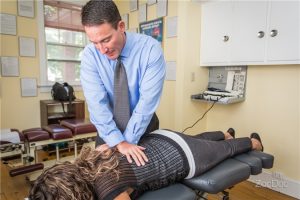

Your first chiropractic visit at Hometown Family Wellness Center includes a one-on-one consultation, comprehensive examination, diagnostic scans, and a complete report of findings. Unlike rushed offices that spend 5 minutes per patient, I take the time to understand your specific situation before recommending any treatment.
Why the First Visit Matters So Much
I’ve been practicing in Freehold for over 27 years, and I can tell you this with certainty: what happens during your first visit determines everything that follows. A thorough initial evaluation leads to accurate diagnosis, which leads to effective treatment. Skip steps here, and you’re guessing.
Some chiropractic offices treat the first visit like a formality. Quick paperwork, brief exam, straight to adjustments. That approach might work occasionally by luck, but it misses problems more often than it catches them.
At my practice, the first visit is intentionally comprehensive. I want to know exactly what’s going on with your body before I recommend anything. That takes time, and I’m not willing to shortcut it.
Before You Arrive
There’s not much you need to do to prepare. Wear comfortable clothing that allows you to move freely. If you have any imaging (X-rays, MRIs) from previous doctors, bring those along. Same with any relevant medical records.
Think about your symptoms before your appointment. When did the pain start? What makes it better or worse? Does it radiate anywhere? Has it changed over time? The more details you can share, the better I can pinpoint what’s happening.
If you’re coming in after an auto accident or workplace injury, bring any documentation related to the incident. This helps with both diagnosis and any insurance considerations.
The Consultation: Your Story Matters

Every new patient visit starts with a conversation. Not a clipboard questionnaire handed off to a staff member. An actual discussion between you and me about what’s bringing you in.
I’ll ask about your current symptoms in detail. Where exactly does it hurt? How would you describe the pain—sharp, dull, burning, aching? How long have you been dealing with this? What have you already tried?
We’ll also talk about your health history. Previous injuries, surgeries, medical conditions, medications you’re taking. Past problems often connect to current symptoms in ways that aren’t immediately obvious.
And I want to understand your goals. Are you trying to get out of acute pain? Return to a sport or activity? Prevent future problems? Improve your overall wellness? Your goals shape your treatment plan.
This conversation typically takes 15-20 minutes. That might seem long compared to other medical appointments you’ve had, but this information is essential. I can’t help you effectively if I don’t understand your situation thoroughly.
The Physical Examination
After our consultation, I’ll perform a comprehensive physical examination. This includes several components:
Orthopedic Testing
These are specific movement tests designed to identify which structures are causing your symptoms. If you’re dealing with back pain, I’ll test your lumbar spine through various ranges of motion and stress certain joints and muscles to reproduce your symptoms in a controlled way. The same approach applies to neck pain, shoulder issues, hip problems, and other complaints.
These tests tell me whether we’re dealing with a joint problem, muscle issue, disc involvement, or nerve irritation. Often it’s a combination.
Neurological Assessment
I’ll check your reflexes, muscle strength, and sensation in relevant areas. This is especially important if you’re experiencing numbness, tingling, or symptoms that radiate into your arms or legs. Conditions like sciatica involve nerve compression, and neurological testing helps identify which nerve level is affected.
Postural and Movement Analysis
How you stand, sit, and move reveals a lot about what’s happening in your body. I’ll observe your posture and watch how you perform certain movements. Compensation patterns—ways your body has adapted to pain or dysfunction—often point directly to the underlying problem.
Spinal Palpation
I’ll examine your spine by hand, feeling for areas of misalignment, restricted movement, muscle spasm, and tenderness. After 185,000+ adjustments, my hands can detect subtle problems that might not show up on imaging.
Diagnostic Technology
Beyond the hands-on examination, I use specific diagnostic tools to get objective data about your condition:
Myovision Spinal Stress Scan
This scan measures the electrical activity in the muscles along your spine. Areas of increased activity indicate stress, tension, or compensation. The scan gives us a visual map of where your spine is working too hard and where it might not be functioning properly.
It’s painless and takes just a few minutes, but the information it provides helps me understand patterns that might not be apparent from examination alone.
3D Orthotics Foot Scan
Your feet are your foundation. Problems in your feet create chain reactions that travel up through your knees, hips, and spine. The 3D foot scan identifies arch issues, pressure distribution problems, and other abnormalities that might be contributing to your symptoms.
Even if you came in for back pain, your feet could be part of the equation. This scan helps me determine whether custom orthotics should be part of your treatment plan.
Report of Findings
Here’s where everything comes together. After completing your examination and reviewing your scan results, I’ll explain exactly what I found. No medical jargon without explanation. No vague statements about “being out of alignment.” Specific information about what’s causing your symptoms.
I’ll show you where the problems are and explain how they connect to what you’re feeling. If your headaches stem from upper cervical dysfunction, I’ll explain that connection. If your sciatica relates to a disc issue at a specific level, you’ll understand why.
Then we’ll discuss treatment options. What I recommend, why I recommend it, and what you can realistically expect. I’ll give you an honest assessment of your situation—including whether chiropractic care is the right approach or if you’d be better served by another type of specialist.
Your First Treatment
For most patients, the first visit includes an initial treatment after the examination and report of findings. This typically involves:
Intersegmental traction table: You’ll spend about 10 minutes on a specialized table that gently mobilizes your spine. Rollers move beneath you, stretching the muscles and ligaments along your spine and increasing circulation to the discs. Most patients find this relaxing.
Chiropractic adjustment: Based on what I found during your examination, I’ll perform specific adjustments to address your areas of dysfunction. The adjustment itself is quick—a controlled, precise movement to restore proper alignment and motion to the joint.
Some patients feel immediate relief. Others feel sore for a day or two as their body adjusts. Both responses are normal. I’ll explain what to expect based on your specific situation.
What We Won’t Do
I’m not going to pressure you into a lengthy treatment package during your first visit. I’m not going to use scare tactics about what will happen if you don’t commit to care. And I’m not going to recommend treatment you don’t need.
If your situation is straightforward, I’ll tell you. If it’s complex, I’ll explain why. If chiropractic isn’t the right fit, I’ll refer you to someone who can help.
My job is to give you accurate information and effective treatment, not to maximize how many visits I can get out of you.
If you still don’t believe us check out our new patients page, watch the videos, and read more than 565 5-star reviews.
The $49 New Patient Special
For new patients, I offer a comprehensive first visit package for $49 that includes everything described above:
- One-on-one consultation
- Full orthopedic and chiropractic examination
- Myovision spinal stress scan
- 3D orthotics foot scan
- Report of findings
- 10-minute intersegmental traction table session
- Chiropractic adjustment
This offer is designed to remove the barrier for people who’ve never tried chiropractic or who’ve been hesitant to seek care. You’ll get a complete evaluation and initial treatment at a fraction of the typical cost.
Note: This special excludes Medicare and Medicaid recipients due to federal billing regulations.
How Long Will the First Visit Take?
Plan for approximately 45 minutes to an hour. This is significantly longer than what you might experience at a high-volume practice, but that time investment is what makes accurate diagnosis possible.
I’d rather spend an hour getting it right than 10 minutes guessing. Your body deserves better than guesswork.
FAQs About Your First Chiropractic Visit
Does the adjustment hurt?
Most patients don’t find adjustments painful. You might hear a popping sound, which is simply gas releasing from the joint. Some people feel immediate relief; others experience mild soreness afterward that resolves within a day or two.
What if I’m nervous about being adjusted?
That’s completely normal, especially if you’ve never experienced chiropractic care. I’ll explain exactly what I’m going to do before I do it, and I use techniques appropriate for your comfort level. You’re always in control.
Should I bring anything to my appointment?
Bring any relevant medical records, imaging, or insurance information. Wear comfortable clothing. And bring your questions—I want you to understand your condition and your care.
Ready to Get Started?
If you’ve been putting off chiropractic care because you weren’t sure what to expect, now you know. Schedule your first visit at Hometown Family Wellness Center or call (732) 780-0044. I’ve been helping patients throughout Freehold and Monmouth County for 27 years, and I look forward to helping you.