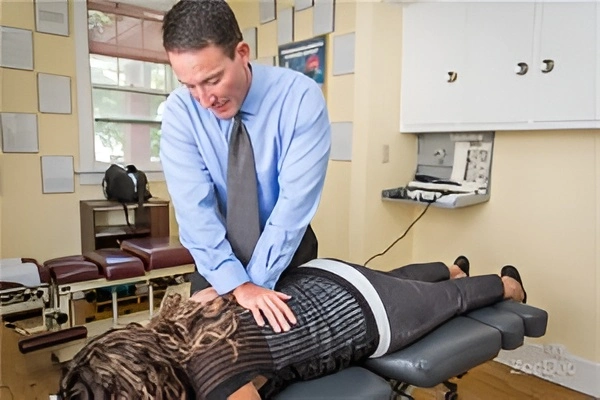
Chiropractic care is an effective, well-researched option for back pain that focuses on the underlying cause rather than just masking symptoms. Research shows that adding chiropractic care to usual medical care can bring greater pain relief and better function than medical care alone. At Freehold Chiropractic in Freehold, NJ, we’ve helped thousands of patients find lasting relief through spinal adjustments, therapeutic stretching, and corrective exercises.
The Scope of the Problem
Back pain is everywhere. According to the National Institutes of Health, up to 80% of adults will experience back pain at some point in their lives, and about one in four adults reports low back pain within any three-month period. That’s not a small number.
What concerns me more is the trend. One long-term study found that the rate of chronic low back pain more than doubled over about 15 years. People aren’t just hurting temporarily. They’re staying stuck in pain cycles that affect their work, their sleep, their relationships, and their overall quality of life.
I’ve practiced chiropractic in Freehold for over 27 years. In that time, I’ve performed more than 185,000 adjustments and seen just about every type of back problem you can imagine. The good news? Most back pain responds well to conservative care when you address the actual source of the problem.
Why Your Back Hurts
The spine is a remarkable structure, but it’s also vulnerable to dysfunction. Your back pain could come from a number of causes:
Mechanical problems make up the majority of cases. The joints of the spine can become misaligned or restricted. When vertebrae don’t move properly, the surrounding muscles tighten to compensate, nerves get irritated, and discs take uneven pressure. Pain follows.
Disc issues like bulges and herniations can put pressure on spinal nerves, and the pain often spreads into the buttocks or legs. I’ve written more about herniated disc treatment and how chiropractic compares to other approaches.
Muscle strain and ligament sprain come from improper lifting, sudden movements, or repetitive stress. These soft tissue injuries often accompany underlying joint problems.
Poor posture puts continuous stress on spinal structures. Hours spent hunched over computers or looking down at phones add up over time.
Sacroiliac joint dysfunction affects the joints connecting your spine to your pelvis. Pain from this area often mimics other conditions and gets overlooked by practitioners who focus only on the lower back.
Foundation problems in your feet can throw off your spinal alignment. When arches drop or feet roll inward too much, the knees rotate inward, the pelvis tilts, and the spine compensates. That’s why we often recommend custom orthotics as part of a comprehensive treatment plan.
The Problem with Pain Medication

When back pain strikes, reaching for a pill seems like the obvious solution. But there are real limitations to that approach.
First, medication doesn’t fix the cause. It turns down the volume on pain signals while the underlying problem continues. Patients often feel temporarily better, go back to their normal activities, and sometimes make things worse.
Second, the risks are real. Over-the-counter anti-inflammatories can irritate the stomach and affect the kidneys with prolonged use, and prescription opioids carry addiction risk that has contributed to a nationwide crisis. Research summarized by the American Chiropractic Association shows that people who saw a chiropractor first for low back pain were far less likely to use opioids, both early on and long term.
I’m not saying medication never has a role. For acute flare-ups, short-term pain relief can help you function. But relying on pills as a long-term strategy means the problem itself never gets solved. If you take prescription medication, talk with your doctor before making changes.
What the Research Says About Chiropractic
The evidence supporting chiropractic care for back pain has grown substantially over the past two decades. A few highlights worth knowing:
A large comparative effectiveness trial published in JAMA Network Open studied 750 active-duty military personnel with low back pain. Those who received chiropractic care in addition to usual medical care had greater short-term pain relief and functional improvement than those receiving medical care alone, with moderate improvements that aligned with American College of Physicians guidelines.
A review published in Frontiers in Pain Research concluded that spinal manipulative therapy should be considered as effective as other recommended treatments for chronic low back pain. The authors noted that chiropractic care is moving from alternative medicine toward a mainstream option for spine pain.
Cost research has also been favorable. Some studies comparing chiropractic care to other approaches have found lower overall costs, and Medicare data has shown that older patients who received chiropractic care for chronic low back pain had lower costs and shorter episodes of care.
None of this surprises me. When you address the mechanical problem causing pain rather than only suppressing symptoms, you tend to get better results.
How We Approach Back Pain at Our Practice
At Freehold Chiropractic, we don’t rush through appointments. I take time with every patient because proper evaluation matters, and two people with similar symptoms might need very different treatment.
Your first visit includes a thorough history and examination. I want to understand not just where it hurts, but how you got here. What does your daily routine look like? What makes it better or worse? Have you had previous injuries or treatments?
The physical exam looks at your posture, range of motion, and the specific joints and muscles involved. I check the spine from top to bottom, because problems in one area often create compensation patterns elsewhere.
Spinal Adjustments
The core of chiropractic care is restoring proper motion and alignment to the spinal joints. When vertebrae move correctly, nerve irritation can decrease, muscles can relax, and the body’s natural healing works more efficiently.
I use different adjustment techniques depending on what each patient needs. Some respond best to manual adjustments, while others do better with instrument-assisted methods. The goal is always the same: get the joints moving properly again.
Addressing the Muscles
Tight, spasmed muscles don’t just accompany back pain. They contribute to it. Therapeutic stretching helps restore normal muscle length and reduce the pull on spinal structures.
I also look at muscles beyond the painful area. The hip flexors, hamstrings, and piriformis all influence how the lower back functions, and ignoring them leads to incomplete results.
The Extremity Connection
Here’s something many practitioners miss: back problems often involve the joints below the spine. The ankles, knees, and hips all affect how forces travel up through the body.
I’ve seen patients who went to several chiropractors for low back pain and sciatica without getting better. When I evaluated them, I found restrictions in their feet, knees, or hips that were driving the spinal problem. Once we addressed those along with the spine, they finally improved.
This full-body approach is central to our philosophy. Your back doesn’t exist in isolation.
Home Exercise and Prevention
What you do between appointments matters a lot. I give every patient specific exercises and stretches to support their treatment, and core strengthening, flexibility work, and posture awareness all play a role in lasting improvement.
Prevention education is just as important. Knowing how to lift properly, set up your workstation, and maintain good posture helps you avoid future episodes.
When to Seek Help
Don’t wait until you can barely move to get your back checked. The earlier we address a problem, the easier it is to correct.
Schedule an evaluation if you experience:
- Pain lasting more than a few days
- Recurring episodes, even if they resolve on their own
- Morning stiffness that takes time to work out
- Pain that interrupts your sleep
- Difficulty with activities you normally enjoy
- Numbness, tingling, or weakness in your legs
Some symptoms need immediate medical attention. If you have loss of bladder or bowel control, numbness in the groin, severe or worsening weakness in your legs, or pain after significant trauma, go to an emergency room rather than waiting for a chiropractic appointment. See your doctor promptly for back pain with fever, unexplained weight loss, or a history of cancer.
Frequently Asked Questions
How many visits will I need for back pain?
It depends on the cause and how long you’ve had pain. Many patients notice improvement within a few visits, while long-standing problems usually need a longer plan.
Is chiropractic care safe for back pain?
For most people, yes. Serious complications are rare, and I screen every patient for warning signs before treatment.
Do I need a referral to see a chiropractor in New Jersey?
No referral is needed. You can schedule an evaluation directly, though some insurance plans have their own rules.
Taking the Next Step
Back pain affects nearly everything you do: getting out of bed, sitting at work, playing with your kids, exercising, and even sleeping comfortably. You don’t have to accept pain as a normal part of life.
Research supports chiropractic care as an effective, safe approach to back pain. More importantly, I’ve seen the results firsthand with thousands of patients from Freehold and throughout Monmouth County.
If chiropractic treatment isn’t the right fit for your condition, I’ll tell you directly and refer you to the appropriate specialist. The goal is always getting you better, whatever that requires.
Ready to find out what’s causing your back pain? Schedule a consultation at Freehold Chiropractic or call (732) 780-0044.
Dr. Russell Brokstein is a lifelong Freehold resident and a seasoned chiropractor dedicated to helping patients achieve optimal health through holistic, drug-free care. With a Biology degree from Penn State and a Doctor of Chiropractic from Life Chiropractic College West, Dr. Brokstein’s passion for chiropractic began when his own recurring bronchial issues and a sports-related back injury were resolved through chiropractic adjustments. This transformative experience inspired him to focus on full-body treatments, therapeutic stretching, nutritional counseling, and stress reduction therapies to help others recover faster and perform better. Recognized as one of America’s Best Chiropractors, he leads Freehold Chiropractic with a patient-centered approach that emphasizes thorough evaluations, minimal wait times, and personalized care for athletes and families in Freehold, NJ.