

Yes, chiropractic care can effectively treat many types of shoulder pain without surgery or medication. At Hometown Family Wellness Center in Freehold, NJ, we use a combination of joint adjustments, soft tissue therapy, and therapeutic exercises to address the root cause of shoulder problems and restore function. Many patients experience significant improvement within weeks of beginning treatment.
Why Shoulder Pain Deserves Your Attention
You probably don’t think much about your shoulders until something goes wrong. Then suddenly, reaching for a coffee mug, putting on a jacket, or fastening a seatbelt becomes an ordeal. The shoulder is one of the most mobile joints in your body, which also makes it one of the most vulnerable to injury.
In my 27 years practicing in Freehold, I’ve treated thousands of patients with shoulder pain. What strikes me most is how many people wait far too long to get help. They assume the pain will go away on its own, or they worry that treatment means surgery. Neither is usually true.
The shoulder joint relies heavily on muscles, tendons, and ligaments for stability rather than the bony architecture you find in a joint like the hip. This design gives you incredible range of motion but creates opportunities for things to go wrong.
Common Causes of Shoulder Pain
Understanding what’s causing your pain is the first step toward fixing it. Here are the conditions I see most frequently at our Freehold practice:
Rotator Cuff Problems
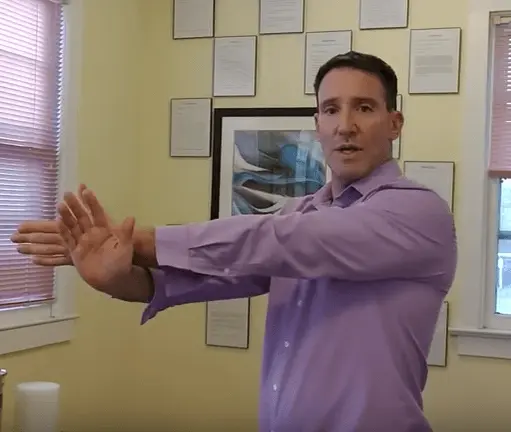
The rotator cuff is a group of four muscles and tendons that stabilize your shoulder and allow you to lift and rotate your arm. These tissues can become irritated, partially torn, or completely torn through:
- Repetitive overhead motions (painting, swimming, throwing)
- Gradual wear and tear over time
- Sudden injury from a fall or accident
Research published in the Journal of Shoulder and Elbow Surgery indicates that rotator cuff problems are extremely common, with up to 30% of people under 70 having some degree of rotator cuff damage, whether or not they experience symptoms.
Frozen Shoulder (Adhesive Capsulitis)
Frozen shoulder develops when the connective tissue capsule surrounding the joint thickens and tightens. The result is severe stiffness and pain that typically progresses through three stages:
- Freezing stage: Pain increases gradually, and range of motion starts declining
- Frozen stage: Pain may lessen, but stiffness becomes severe
- Thawing stage: Movement slowly returns over months or years
This condition often follows periods of immobility, like after surgery or while wearing a sling. People with diabetes face higher risk, as do those between ages 40 and 60.
Shoulder Impingement
Impingement occurs when the tendons of the rotator cuff get pinched between the bones of the shoulder during movement. You might notice pain when reaching overhead or behind your back. Left untreated, impingement can lead to rotator cuff damage over time.
Referred Pain from the Neck and Upper Back
Here’s something that surprises many patients: your shoulder pain might not be coming from your shoulder at all. Problems in the cervical spine can send pain signals into the shoulder area. I always evaluate the neck and thoracic spine when treating shoulder complaints because addressing only the shoulder while ignoring spinal involvement leads to incomplete results.
As I discuss in my book “The Next Health Revolution,” the nervous system connects everything. Pain in one area often has roots elsewhere in the body.
How Chiropractic Care Treats Shoulder Pain
At Hometown Family Wellness Center, we take a different approach than what you might experience at other practices. We don’t just treat your shoulder in isolation. We look at how your entire body is functioning.
Thorough Evaluation First
Before any treatment begins, I perform a comprehensive examination that includes:
- Detailed health history
- Range of motion testing
- Orthopedic and neurological tests
- Postural assessment
- Evaluation of the cervical and thoracic spine
This thorough evaluation process helps us identify not just where it hurts, but why it hurts. Two patients with similar shoulder pain might need completely different treatment approaches.
Joint Adjustments
Chiropractic adjustments restore proper movement to joints that have become restricted. For shoulder problems, this may include adjustments to:
- The shoulder joint itself (glenohumeral joint)
- The collarbone joint (acromioclavicular joint)
- The cervical and thoracic spine
- The ribs, which connect to the thoracic spine
A 2024 systematic review found that combining manual therapy with exercise provided significant advantages over exercise alone for shoulder pain, contributing to both pain reduction and functional improvement.
Soft Tissue Therapy
Tight, inflamed muscles and fascia contribute to shoulder dysfunction. We use various techniques to address these tissues:
- Therapeutic stretching
- Trigger point therapy
- Active Release Technique
These methods help reduce muscle tension, break up adhesions, and improve circulation to promote healing.
Therapeutic Exercises
Exercises designed specifically for your condition play a critical role in recovery. Research consistently shows that combining manual therapy with targeted exercises produces better outcomes than either approach alone.
I send every shoulder patient home with stretches and strengthening exercises tailored to their specific needs. The work you do between visits matters just as much as what happens in my office.
What Results Can You Expect?
Everyone wants to know how quickly they’ll feel better. The honest answer depends on several factors:
- How long you’ve had the problem
- The severity of the underlying condition
- Your overall health and healing capacity
- How consistently you follow through with home exercises
That said, many patients notice improvement within the first few weeks of care. Studies on conservative management of shoulder impingement show that this approach resolves the problem in 70-90% of patients without surgery.
For conditions like frozen shoulder, the timeline is typically longer. A retrospective case series of 50 patients with frozen shoulder who received chiropractic care showed a median treatment time of 28 days, with significant improvements in both pain scores and range of motion.
When to Seek Care for Shoulder Pain
Don’t wait until you can barely move your arm to get help. Consider scheduling an evaluation if you experience:
- Pain that persists for more than a few days
- Difficulty sleeping due to shoulder discomfort
- Weakness when lifting or rotating your arm
- Clicking, popping, or grinding sensations
- Pain that radiates down your arm
- Significant loss of range of motion
Early intervention typically leads to faster recovery and better long-term outcomes.
When Chiropractic May Not Be Enough
I believe in being honest with patients about what chiropractic can and cannot do. Complete rotator cuff tears often require surgical repair. Certain fractures, dislocations, and severe arthritis may need orthopedic intervention.
Part of my role is identifying when a referral to another specialist makes more sense than continuing conservative care. If chiropractic treatment isn’t the best option for your condition, I’ll tell you directly and point you toward the appropriate provider.
Preventing Future Shoulder Problems
Once we’ve resolved your current issue, preventing recurrence becomes the priority. Some practical steps include:
- Maintain good posture: Rounded shoulders and forward head position strain the shoulder complex. If you spend hours at a desk, your workstation setup matters.
- Stay active: Regular movement keeps the shoulder muscles strong and the joint mobile. Just avoid overdoing repetitive overhead activities.
- Address problems early: Minor aches tend to become major problems when ignored. A quick evaluation at the first sign of trouble can prevent weeks of disability later.
- Support your foundation: Problems in the feet can affect alignment all the way up the chain. Custom orthotics help some patients maintain better overall posture and reduce strain on the shoulders.
Frequently Asked Questions
How long does chiropractic treatment for shoulder pain take? Treatment length varies based on your specific condition. Some patients feel significant relief in 2-4 weeks, while chronic conditions or frozen shoulder may require several months of care. We’ll give you a realistic timeline after your initial evaluation.
Will I need imaging like X-rays or MRI? Not always. Many shoulder conditions can be accurately diagnosed through physical examination. When imaging is needed to rule out fractures, significant tears, or other structural problems, we’ll refer you for the appropriate studies.
Can chiropractic help if I’ve already had shoulder surgery? Yes, chiropractic care can support recovery after shoulder surgery by improving mobility, reducing scar tissue formation, and addressing compensations that develop during healing. We coordinate with your surgeon to ensure safe, effective post-operative care.
Is chiropractic treatment for shoulder pain covered by insurance? Most insurance plans cover chiropractic care. Our office staff can verify your benefits and explain any out-of-pocket costs before treatment begins.
Take the Next Step
Shoulder pain doesn’t have to control your life. Whether you’re struggling to throw a ball with your kids, having trouble sleeping on your side, or finding everyday tasks increasingly difficult, there’s a good chance we can help.
At Hometown Family Wellness Center, we’ve been serving the Freehold and Monmouth County community for over 27 years. We take the time to understand your specific situation and develop a treatment plan designed for your needs.
Ready to find out what’s causing your shoulder pain and how to fix it? Schedule a consultation or call (732) 780-0044.