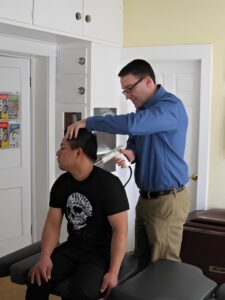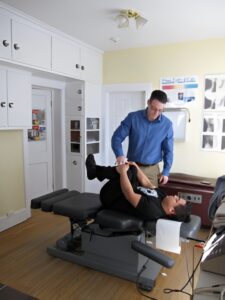
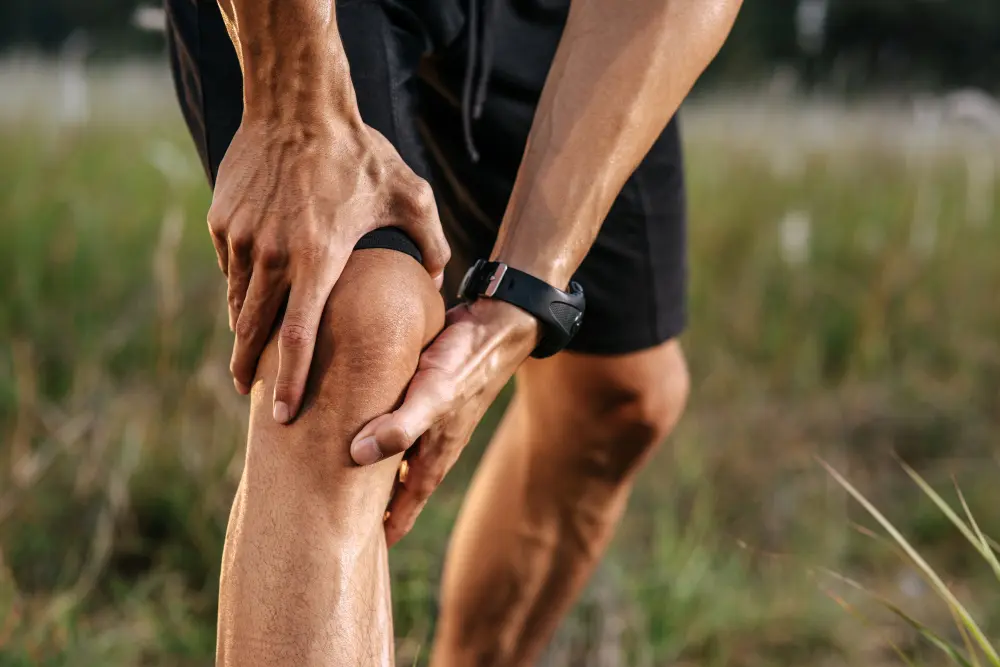
Knee pain often stems from misalignments in the knee joint itself, imbalances in the hips or feet, or compensatory patterns from spinal issues. At Freehold Chiropractic in Freehold, we use extremity adjustments to restore proper joint alignment, reduce inflammation, and address the root cause rather than just masking symptoms. Most patients notice significant improvement within a few weeks of starting care.
Why Knee Pain Happens (And Why It Keeps Coming Back)
Your knees absorb tremendous force with every step you take. When the joint isn’t tracking properly, that stress concentrates on specific areas instead of distributing evenly.
The result? Cartilage wear, inflammation, and persistent pain that won’t quit no matter how much you rest.
But here’s what most people miss: knee pain rarely starts in the knee itself. In my 27 years treating patients in Freehold, I’ve found that knee problems usually trace back to issues in the feet, hips, or lower back.
When your foot rolls inward too much (overpronation), your knee rotates inward to compensate. When your hips are misaligned, your knees twist to maintain balance. When your lower back is out of alignment, the entire kinetic chain shifts.
Common Causes of Knee Pain We Treat
Osteoarthritis
Degenerative wear and tear that causes cartilage breakdown and bone-on-bone friction. While we can’t reverse arthritis, chiropractic care improves joint mobility and reduces inflammation that makes arthritis painful.
Ligament Sprains and Strains
Injuries to the ACL, MCL, or other stabilizing ligaments from sports, falls, or sudden movements. Our sports chiropractic approach helps restore stability and prevent re-injury.
Meniscus Tears
Damage to the cartilage cushion between your thigh and shin bones. Chiropractic adjustments can help reduce pressure on the meniscus and improve healing.
Patellofemoral Pain Syndrome
Pain around or behind the kneecap, often from improper tracking of the kneecap over the femur. This responds extremely well to extremity adjustments that realign the patella.
IT Band Syndrome
Inflammation of the iliotibial band causing pain on the outside of the knee. This typically develops from hip weakness or foot imbalances we can address.
Bursitis
Inflammation of the fluid-filled sacs that cushion the knee joint. Reducing joint stress through proper alignment helps bursitis heal.
How Chiropractic Treats Knee Pain
At our Freehold practice, we don’t just adjust your knee and send you on your way. We evaluate your entire lower body to find out why your knee is hurting in the first place.
Comprehensive Evaluation
We assess your gait, check your foot mechanics, examine your hip alignment, and test your knee’s range of motion. Most knee problems involve multiple factors, so we look at the complete picture.
Extremity Adjustments
Using precise, controlled force, we realign the knee joint to restore proper tracking and reduce stress on cartilage and ligaments. These adjustments are gentle and specifically tailored to knee anatomy.
We also adjust related areas. If your hips are tilted, we correct that. If your feet are causing problems, we address those too.
Soft Tissue Therapy
We work on the muscles, tendons, and ligaments around your knee to reduce tension and inflammation. Tight muscles pull joints out of alignment, so releasing that tension is crucial.
Custom Orthotics When Needed
If your feet are contributing to knee pain, custom orthotics can correct the foundation. Proper foot support prevents your knees from twisting and rotating with every step.
Rehabilitation Exercises
We provide specific exercises to strengthen the muscles supporting your knee, particularly your quadriceps and hamstrings. Strong, balanced muscles take pressure off the joint itself.
The Hip-Knee Connection Most People Miss
Your hips control how your knees move. When your hips are weak or misaligned, your knees pay the price.
Hip imbalances cause your knees to cave inward (knee valgus) or bow outward. Both patterns concentrate stress on specific parts of the knee joint instead of distributing it evenly.
That’s why we always evaluate and treat hip alignment when addressing knee pain. You can’t fix the knee without fixing the hip. Learn more about the hip-spine connection here.

What to Expect During Knee Pain Treatment
Most patients start feeling relief within the first few visits, but everyone’s timeline depends on the severity of their condition and how long they’ve had symptoms.
Initial Phase (Weeks 1-3)
We focus on reducing inflammation and restoring basic joint mobility. You’ll typically come in 2-3 times per week during this phase.
Corrective Phase (Weeks 4-8)
Once pain decreases, we work on correcting the underlying imbalances causing your knee problems. Visit frequency usually drops to 1-2 times per week.
Maintenance Phase (Ongoing)
After we’ve addressed the root cause, many patients choose periodic maintenance visits to prevent problems from returning. This is especially important for athletes or people with physically demanding jobs.
When to See a Chiropractor for Knee Pain
You should schedule an evaluation if you’re experiencing any of these:
Persistent knee pain lasting more than a few days, especially if it’s not improving with rest. Swelling or stiffness that limits your range of motion. Pain that worsens with stairs, squatting, or prolonged standing. Clicking, popping, or grinding sensations in the knee. Knee instability or feeling like your knee might give out.
The sooner you address knee pain, the easier it is to fix. Chronic knee problems that have been ignored for months or years require more intensive treatment.
Chiropractic vs. Other Knee Pain Treatments
Chiropractic vs. Pain Medication
Medications mask pain without addressing why your knee hurts. They can provide temporary relief but don’t fix the underlying problem. Chiropractic care corrects the mechanical issues causing pain.
Chiropractic vs. Injections
Cortisone injections reduce inflammation but can weaken tendons and cartilage over time with repeated use. They’re a short-term fix. Chiropractic provides lasting relief by restoring proper joint function.
Chiropractic vs. Surgery
Surgery should be the last resort, not the first option. Many knee problems resolve with conservative chiropractic care, avoiding the risks, costs, and recovery time of surgery. If surgery is truly necessary, we’ll refer you to the appropriate specialist.
Preventing Future Knee Problems
Once we’ve gotten your knee pain under control, keeping it that way requires some ongoing attention.
Maintain healthy body weight to reduce stress on knee joints. Wear supportive footwear that doesn’t force your knees into poor positions. Strengthen your hips and core to support proper knee alignment. Avoid prolonged kneeling or squatting when possible. Stay active with low-impact exercises like swimming or cycling.
Regular chiropractic checkups catch minor misalignments before they become major problems. At our Freehold office, we help patients stay ahead of knee issues rather than constantly reacting to pain.
Real Results from Our Freehold Patients
Over the past 27 years, I’ve treated thousands of knee pain cases. Some patients come in barely able to walk. Others are athletes who can’t perform at their peak.
What they have in common is this: they were told to “just live with it” or that surgery was their only option. But when we identify and correct the real cause of their knee pain, they get their lives back.
I’ve seen runners return to marathons, grandparents play with their grandchildren again, and weekend warriors get back to the activities they love. That’s what proper knee care can do.
Frequently Asked Questions
How long does knee pain treatment take?
Most patients experience significant improvement within 4-6 weeks of starting care. However, chronic knee problems that have been present for months or years may require longer treatment. We’ll evaluate your progress at each visit and adjust your care plan accordingly.
Will adjusting my knee hurt?
Knee adjustments are gentle and rarely uncomfortable. You might feel some pressure or hear a popping sound as the joint realigns, but most patients find the process relieving rather than painful. Any mild soreness afterward typically resolves within a day.
Can chiropractic help if I need knee replacement eventually?
Yes. Even if you’re a candidate for knee replacement, chiropractic care can delay surgery by improving function and reducing pain. Many patients who thought they needed surgery find they can avoid it entirely with proper conservative care.
Do you treat knee injuries from sports?
Absolutely. Our sports chiropractic care helps athletes recover from knee injuries faster and return to competition safely. We also work on injury prevention to keep you performing at your best.
Get Your Knee Pain Evaluated in Freehold
If knee pain is limiting your activities or keeping you from enjoying life, let’s find out what’s really causing it. Call our Freehold office at (732) 780-0044 or schedule your consultation online. We’ll identify the root cause and create a personalized treatment plan to get you moving pain-free again.