Research shows that the medications commonly prescribed for sciatica, including anti-inflammatories, steroids, muscle relaxers, and nerve pain drugs, often provide less relief than people expect, and the evidence supporting many of them is weak. They can take the edge off pain for a while, but they don’t change what’s pressing on the nerve. In my Freehold office, I focus on finding and addressing that cause through chiropractic adjustments and therapeutic stretching, while patients keep working with their medical doctor on any medications they take.
What Sciatica Actually Is
Are you suffering from sciatica pain? Sciatica is pain that travels down your leg. It often starts in the lower back, then moves through the hip, into the thigh, and sometimes all the way down to the foot.
It can feel like sharp pain, burning, numbness, or tingling. Some people feel it constantly, while others notice it mostly when sitting, standing up, or bending.
What Causes Sciatica
The sciatic nerve gets irritated when something presses on it or on the nerve roots that form it. In my experience, the most common causes include:
- Misalignment in the lower back or pelvis, which can put pressure on the nerve roots as they leave the spine.
- Bulging or degenerating discs that press on the nerve roots in the lower back.
- The piriformis muscle, a highly overlooked cause. This muscle sits deep in the buttock, and when it tightens, it can squeeze the sciatic nerve that runs beneath it.
Each of these causes needs a different approach, which is one reason a single prescription rarely solves the problem.
Where you feel symptoms gives useful clues. Pain that starts in the lower back and gets worse when you bend forward or cough often points to a disc. Pain centered deep in the buttock that flares with long periods of sitting often points to the piriformis. A hands-on exam with specific tests helps sort out which one you’re dealing with, and many people have more than one factor at play.
Why Medication Often Falls Short
Sciatica can be extremely uncomfortable, so most people call their medical doctor first. Common prescriptions include pain relievers, muscle relaxers, anti-inflammatories, steroids, and medications for nerve pain.
Here’s what many people don’t know. A review in the British Medical Journal, Drugs for relief of pain in patients with sciatica: systematic review and meta-analysis, looked at 23 studies on medications for sciatica. The researchers found little high-quality evidence that these drugs provide meaningful relief, and they concluded that the benefit of many commonly used sciatica medications is unclear.
Later research reached similar conclusions. A 2017 trial in the New England Journal of Medicine found that a nerve pain medication commonly prescribed for sciatica worked no better than a placebo for leg pain.
Medications also carry side effects, especially with long-term use, including stomach problems, drowsiness, and in the case of opioids, the risk of dependence. Most importantly, they don’t address what’s pressing on the nerve, so pain often returns once the medication wears off.
Should You Stop Your Medication?
Not on your own. Some medications can help with short-term comfort, and stopping certain prescriptions suddenly can cause problems. Talk with the doctor who prescribed them before making any changes. Many of my patients find they need less medication as their sciatica improves.
How I Treat Sciatica at Freehold Chiropractic
Chiropractic care is a natural, gentle approach that focuses on the cause of sciatic pain rather than only masking it. At Freehold Chiropractic, I start with a thorough evaluation to find out whether the pressure is coming from the spine, a disc, the pelvis, or the piriformis muscle.
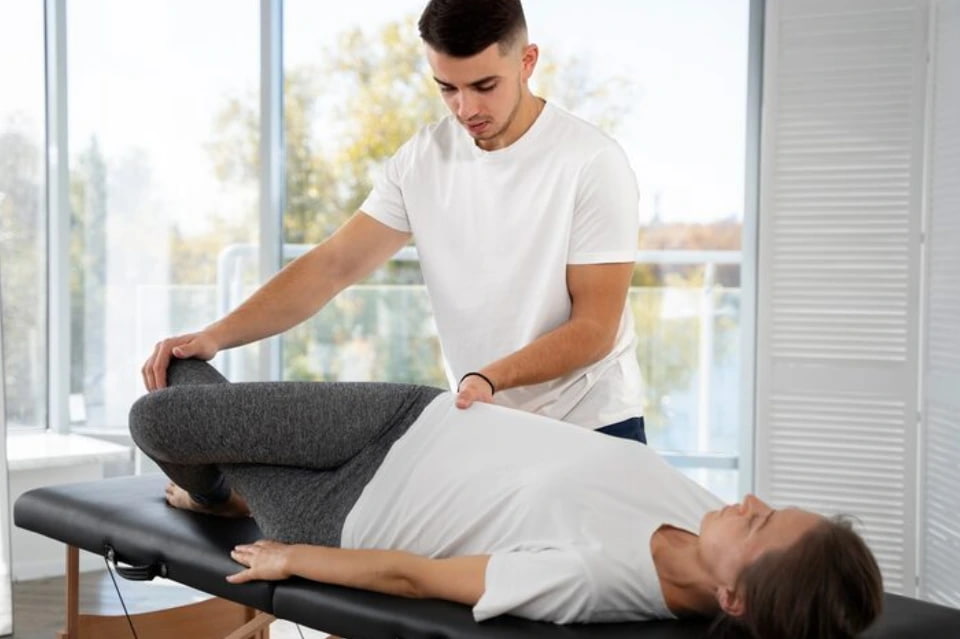
From there, I use a combination of chiropractic adjustments and therapeutic stretching to help take pressure off the nerve. Adjustments restore better motion to the lower back and pelvis, while targeted stretching releases tight muscles like the piriformis that can squeeze the nerve.
Sometimes the problem starts lower. Flat feet or uneven foot mechanics can tilt the pelvis and add strain to the lower back with every step, and in those cases custom orthotics can be part of the plan.
Many patients notice their leg pain easing over several visits as the nerve is given room to calm down. You can hear from some of them on our YouTube page, where patients share their experiences finding relief after medications didn’t help.
Simple Things You Can Do at Home
- Keep moving gently. Short walks usually help more than lying in bed all day.
- Take sitting breaks. Get up every 30 minutes if long periods of sitting make your pain worse.
- Empty your back pocket. Sitting on a wallet or phone can press on the piriformis and sciatic nerve.
- Use heat on tight muscles in the buttock and lower back to help them relax.
When Sciatica Needs Medical Care Right Away
Go to the emergency room if you lose control of your bladder or bowels, notice numbness in the groin or inner thighs, or have leg weakness that’s getting worse quickly. See a doctor promptly if your sciatica comes with fever, unexplained weight loss, or a history of cancer.
Frequently Asked Questions
Will any medication help my sciatica?
Some people get short-term relief from medication, but research shows the benefit is often small or unclear, and it doesn’t treat the underlying cause.
How long does it take chiropractic care to help sciatica?
Many patients notice improvement within a few weeks, though it depends on the cause and how long you’ve had symptoms.
Is chiropractic safe for sciatica?
For most people, yes. I screen for warning signs first and use gentle adjustments and stretching suited to your condition.
If you’re suffering from sciatica pain in Freehold or anywhere in central New Jersey, you don’t have to rely on medication alone. Call Freehold Chiropractic at (732) 780-0044 or contact us online to schedule your evaluation, and let’s find out what’s really causing your pain.
Dr. Russell Brokstein is a lifelong Freehold resident and a seasoned chiropractor dedicated to helping patients achieve optimal health through holistic, drug-free care. With a Biology degree from Penn State and a Doctor of Chiropractic from Life Chiropractic College West, Dr. Brokstein’s passion for chiropractic began when his own recurring bronchial issues and a sports-related back injury were resolved through chiropractic adjustments. This transformative experience inspired him to focus on full-body treatments, therapeutic stretching, nutritional counseling, and stress reduction therapies to help others recover faster and perform better. Recognized as one of America’s Best Chiropractors, he leads Freehold Chiropractic with a patient-centered approach that emphasizes thorough evaluations, minimal wait times, and personalized care for athletes and families in Freehold, NJ.